
As great nature lovers, we always try to include a visit to a park or botanical garden in our itinerary. Parks and other green areas are the lungs of a city. Often being a destination’s recognisable landmarks, they are places to relax, recharge, and connect with local life.
That is why we were excited to explore the green side of Graz. It’s a city where sustainability, nature, and cultural heritage come together seamlessly. Whether you are looking for lakeside relaxation, scenic castle gardens, or peaceful forest walks, Graz offers plenty of opportunities to experience them all. Our journey through green Graz gave us a completely different perspective on the city. The one that brought us closer to its residents, their daily lives, and their strong connection to nature. Here is our suggestion for spending a perfect day exploring the green side of Graz.
Kaiser Josef Market – a symphony of colors, flavors and local traditions
Before heading to Graz’s parks, we started our day at the famous Kaiser Josef Market (Kaiser Josef Markt). We love visiting local markets when we travel because they are so much more than places to buy groceries. Markets are often the beating heart of a city, offering an authentic glimpse into local traditions, culture, and everyday life.
Located on Kaiser Josef Platz, Kaiser Josef Market is the largest and oldest farmers’ market in Graz. From the moment we arrived, it was clear that this is not only a place for shopping. It is also a vibrant social hub where locals gather to meet friends and enjoy the atmosphere.
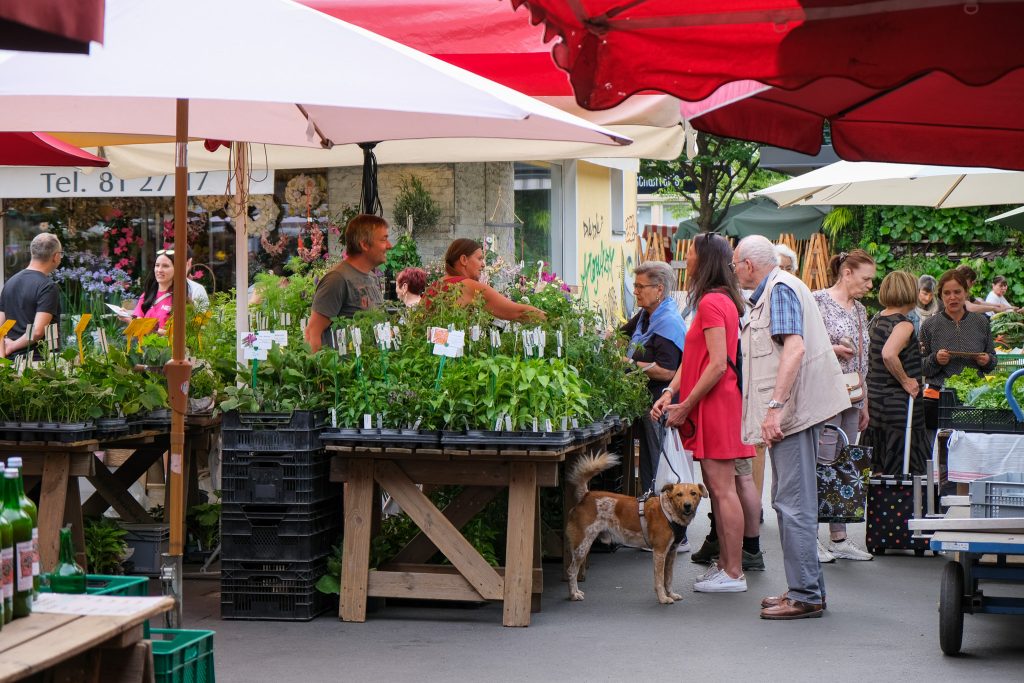
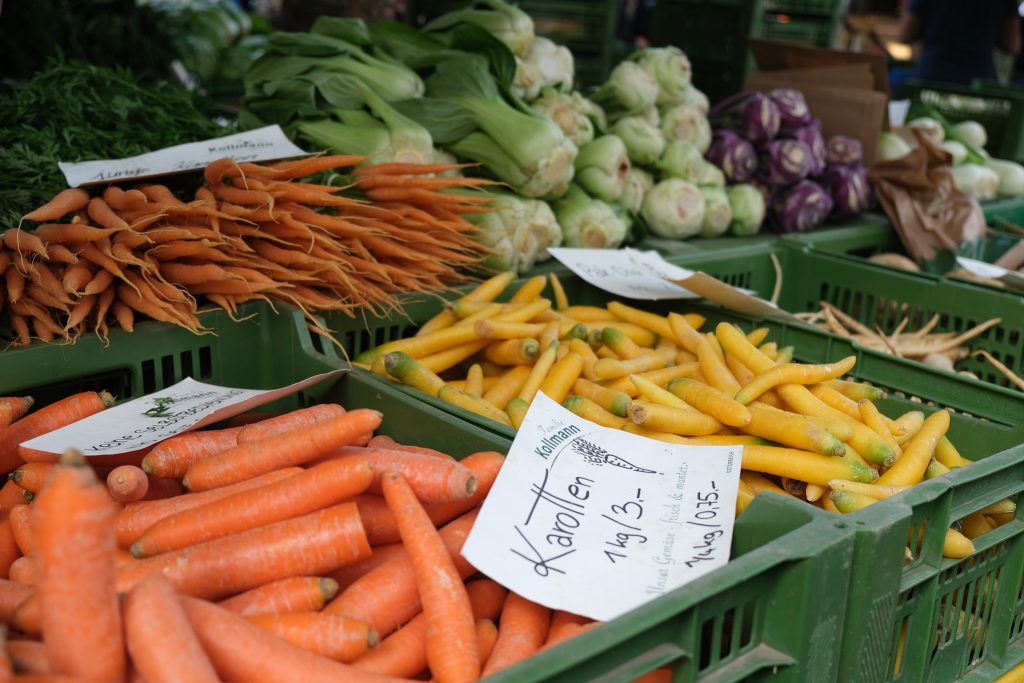
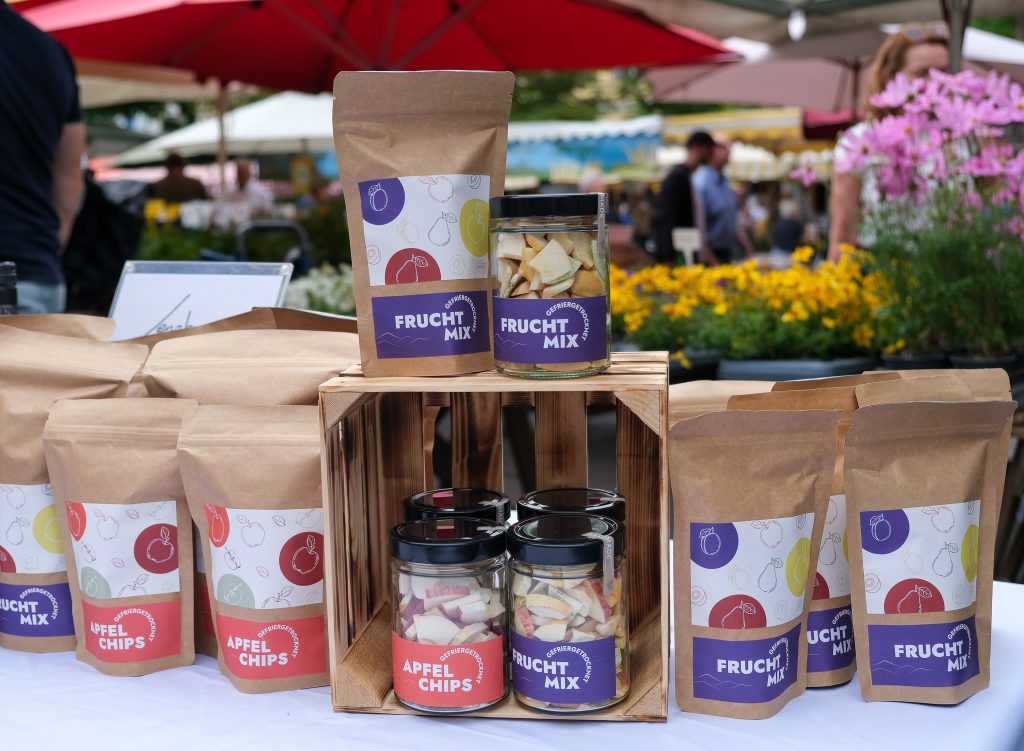
We visited on a Saturday morning when the market was bustling with activity. Colorful stalls were full of fresh fruits and vegetables, while local producers proudly showcased regional specialties from Styria. Visitors can purchase products directly from family farms and local businesses. These include the region’s famous pumpkin seed oil, artisanal cheeses, cured meats, and seasonal produce such as strawberries, asparagus, carrots, and apples.
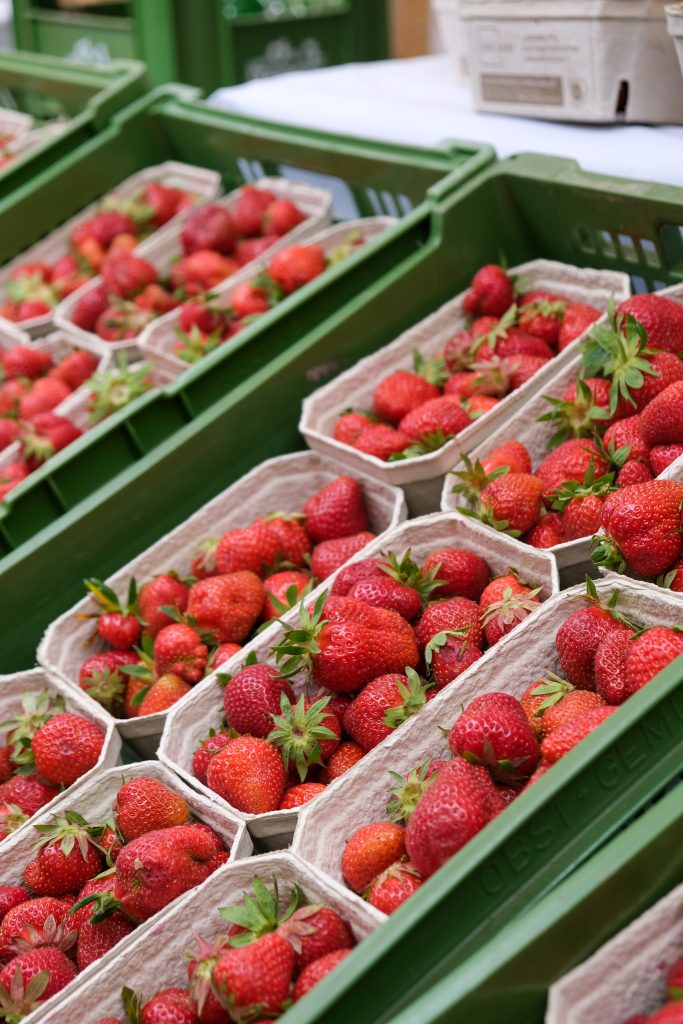
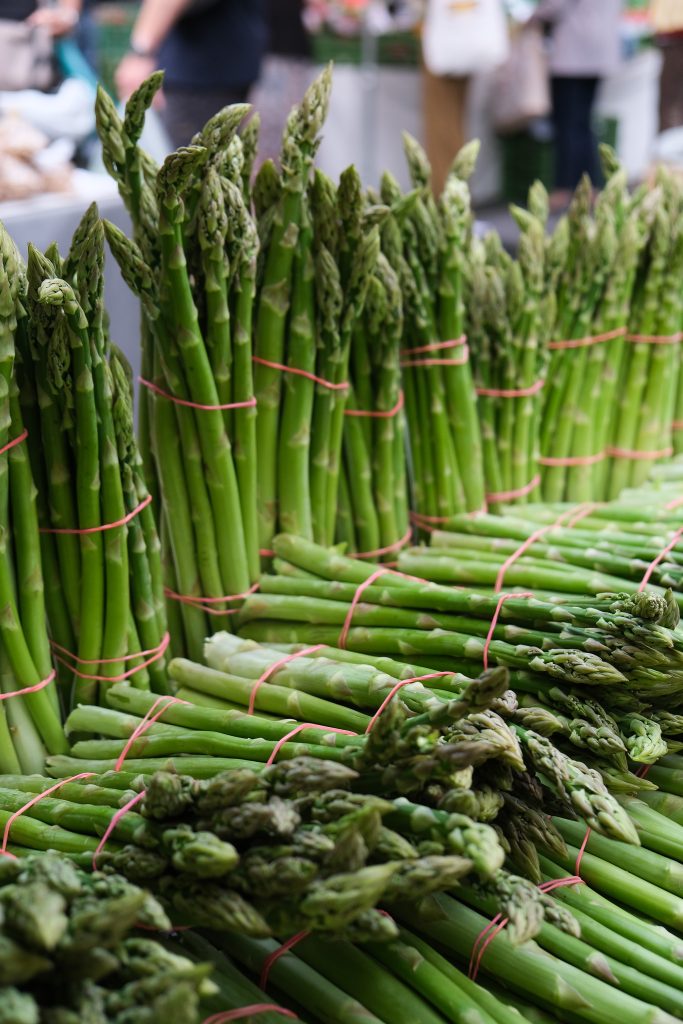
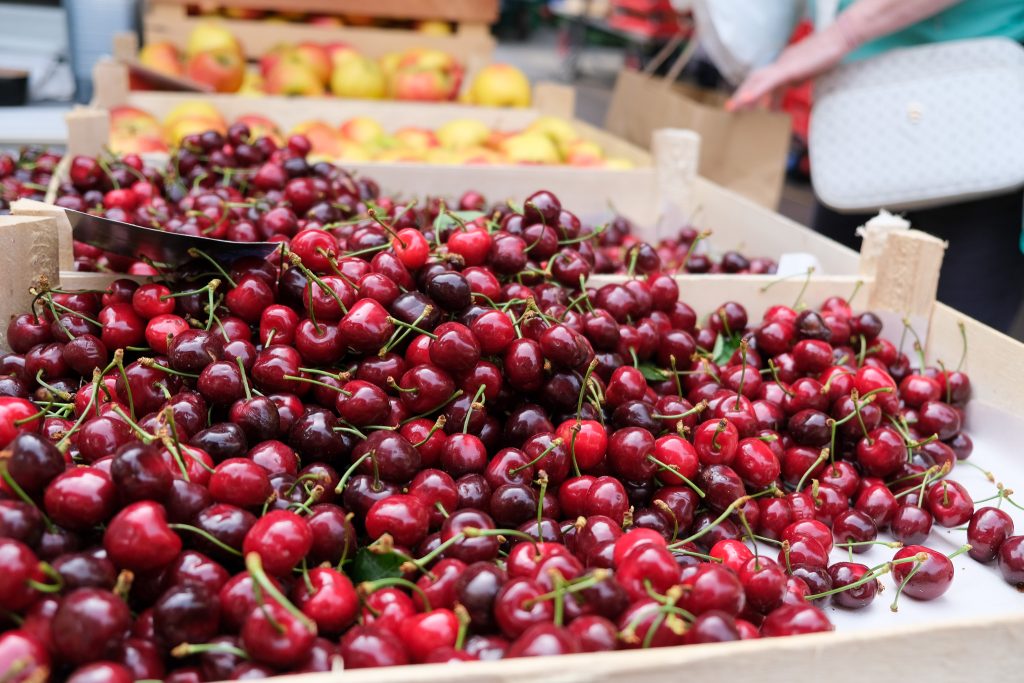
What impressed us most was the incredible variety of colors and aromas, especially the beautiful flower stalls that added even more charm to the market.
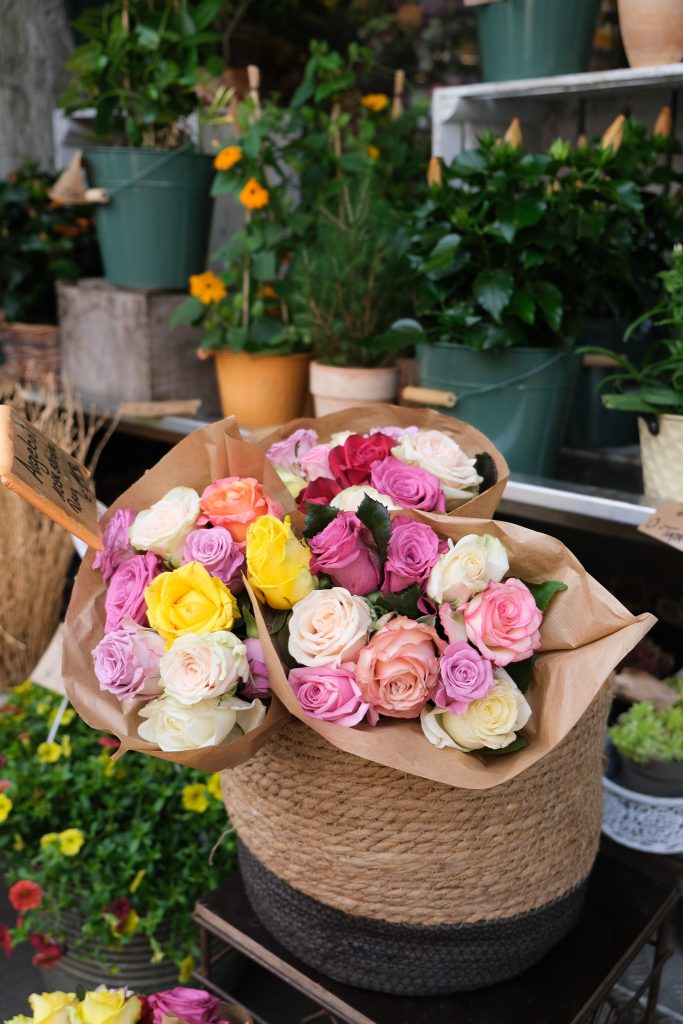
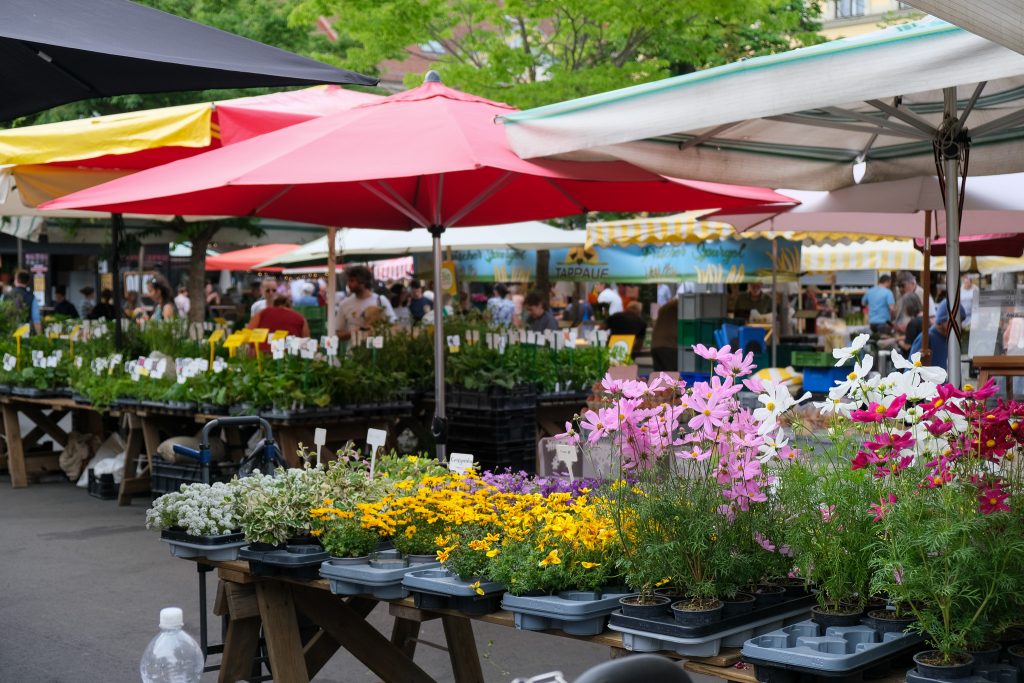
The friendly vendors happily allowed us to capture these vibrant scenes with our camera. During a short conversation, we learned that many of the stalls are operated by small family-run farms. They often consist of just a few people.
The market was crowded, which was no surprise. Graz is well known for its commitment to sustainability. Many locals choose to buy directly from regional producers, supporting both the local economy and environmentally responsible practices.
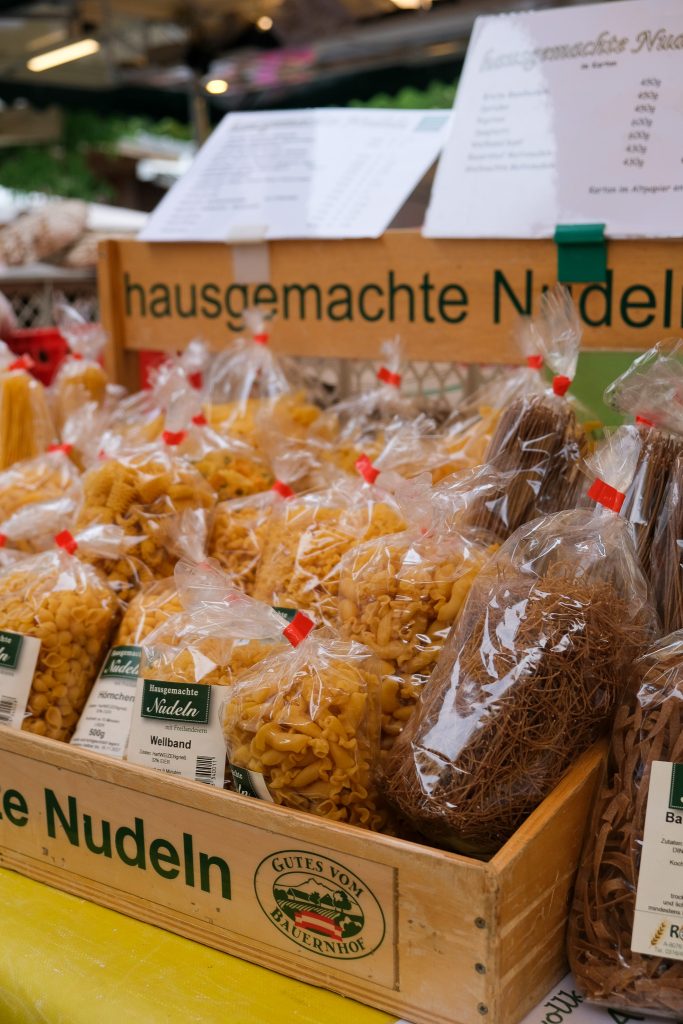
The surrounding food stalls and cozy cafés were packed with visitors enjoying coffee, brunch, local wine, and cocktails. Unfortunately, we could not find a free table. However, the lively atmosphere made it clear that this is one of the city’s favourite Saturday morning gathering spots.
If you are looking for an authentic Graz experience, Kaiser Josef Market is a must-visit. It is also the perfect place to buy local specialties as souvenirs. The market is open daily, except Sundays and public holidays, from 6:00 am to 1:00 pm.
Check out the video for a glimpse of the market atmosphere:
Leechwald Forest – a refreshing nature escape near the city center
After visiting the market, we headed to another green oasis: Leechwald Forest and the picturesque Hilmteich Lake. Getting there was surprisingly easy. We took Tram Line 1 towards Mariatrost. From the stop near the market, it took us about ten minutes to reach the last stop – the Leechwald Forest. A 24-hour public transport ticket cost €7 and proved to be a convenient way to explore the city. Upon arrival, we were welcomed by the charming Hilmteich Lake and the stylish Purberg café-restaurant.
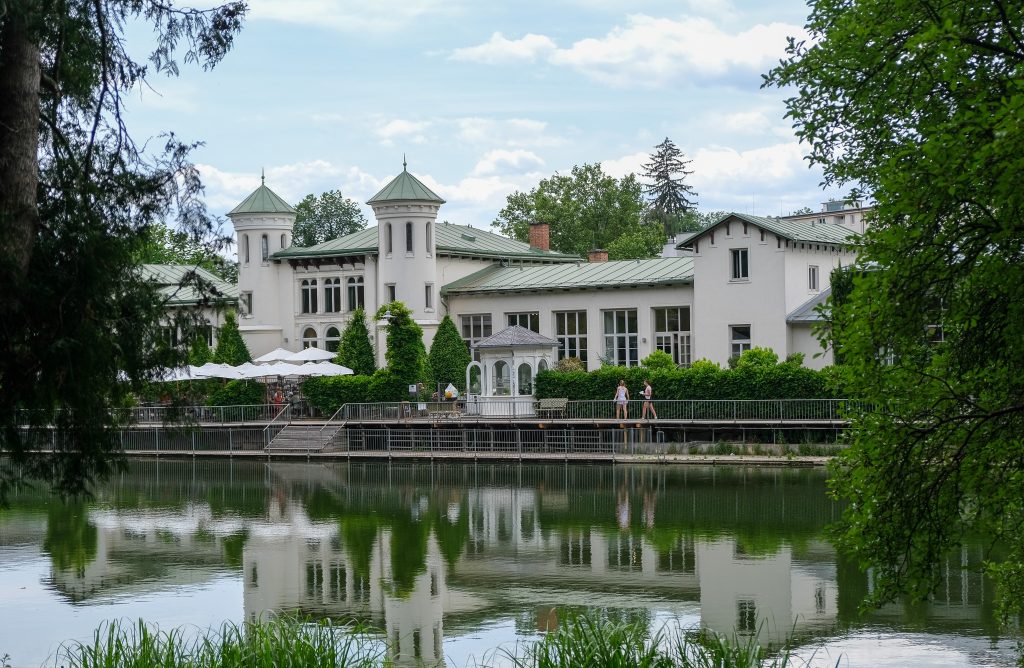
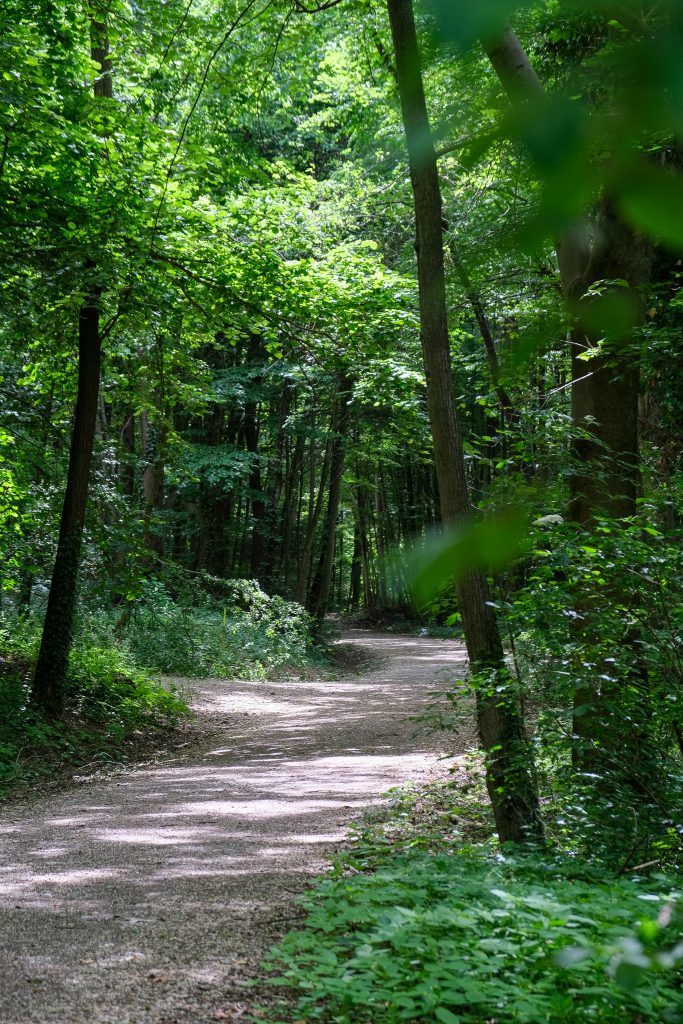
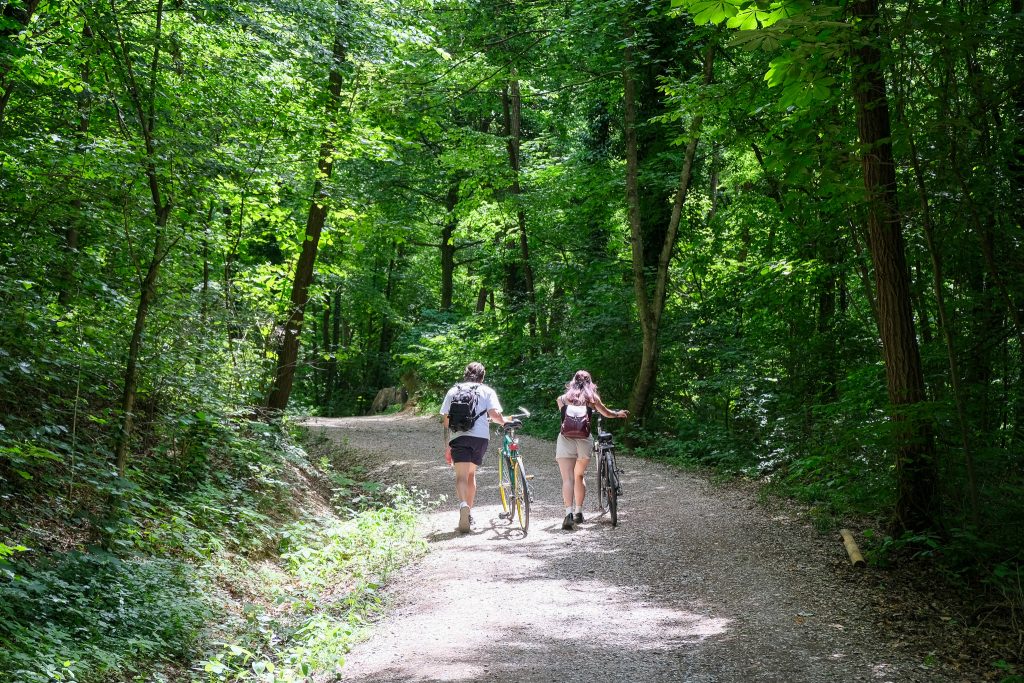
Leechwald Forest is one of Graz’s most popular outdoor recreation areas. The moment we entered the forest, we noticed joggers, walkers, families, and groups of friends enjoying picnics.
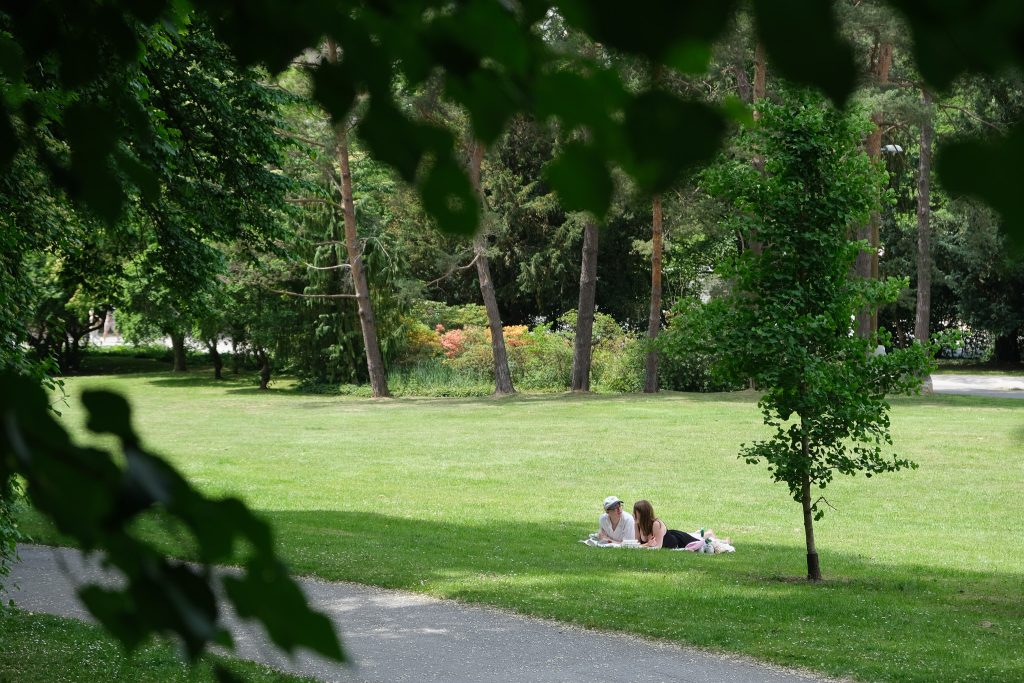
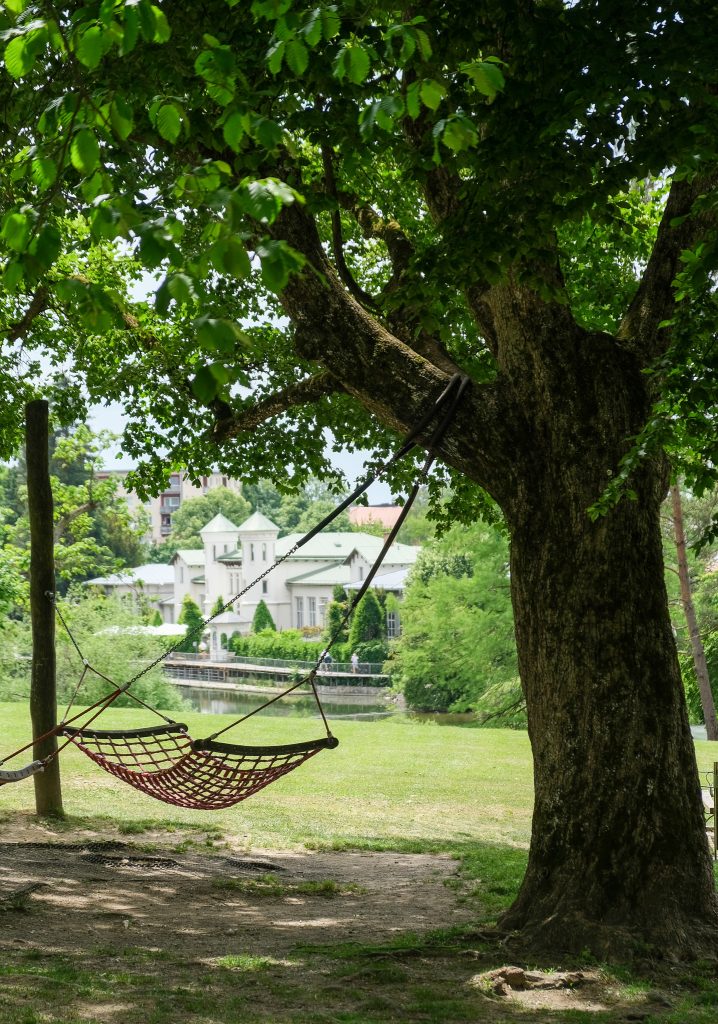
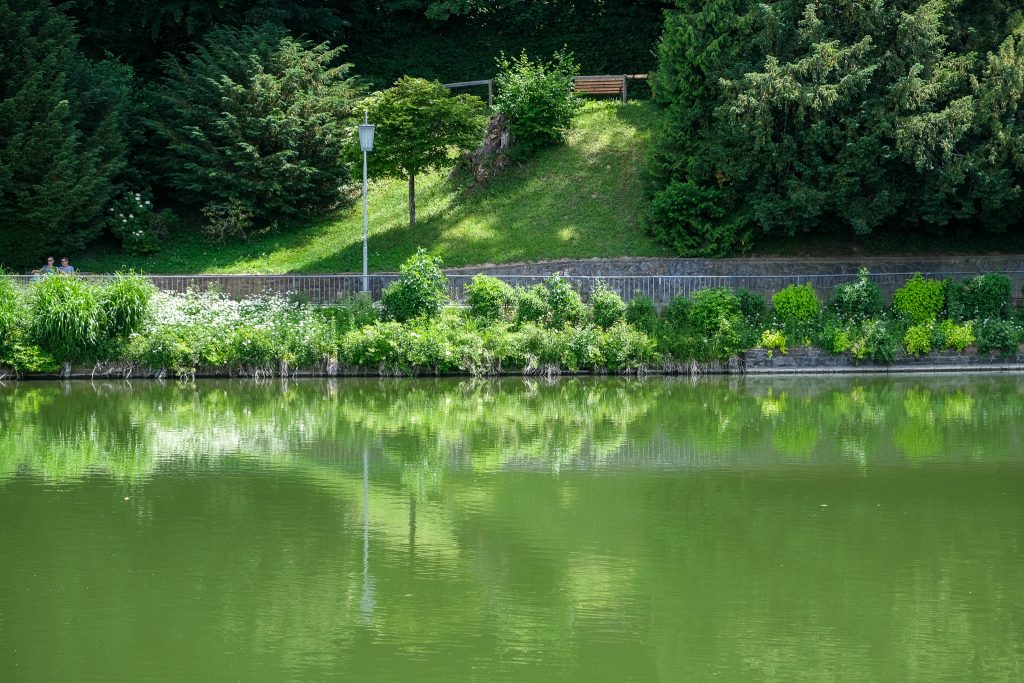
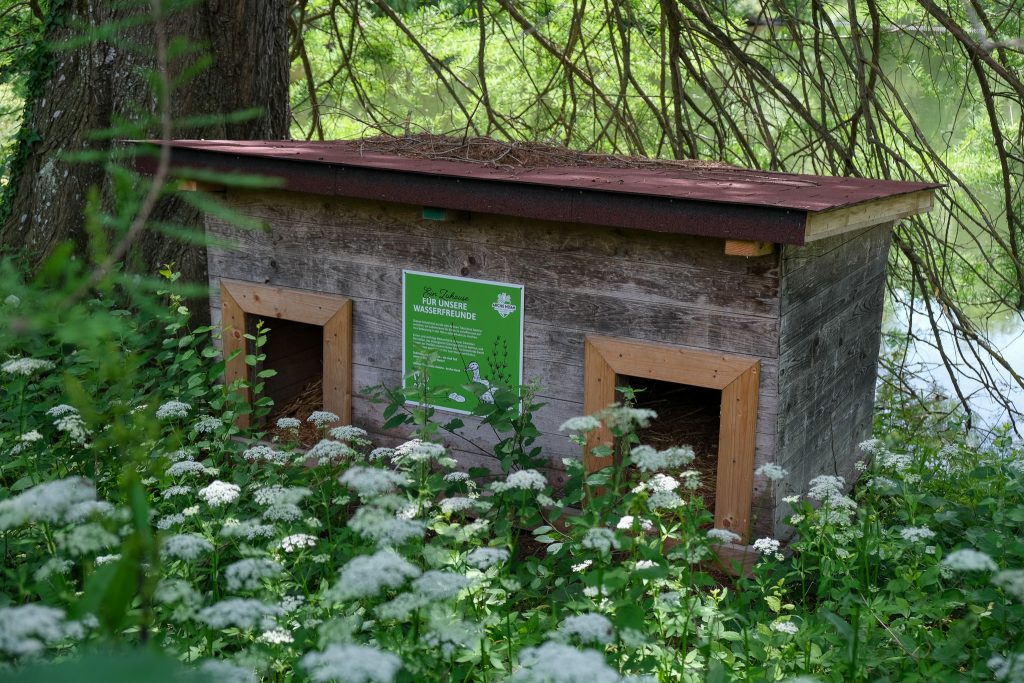
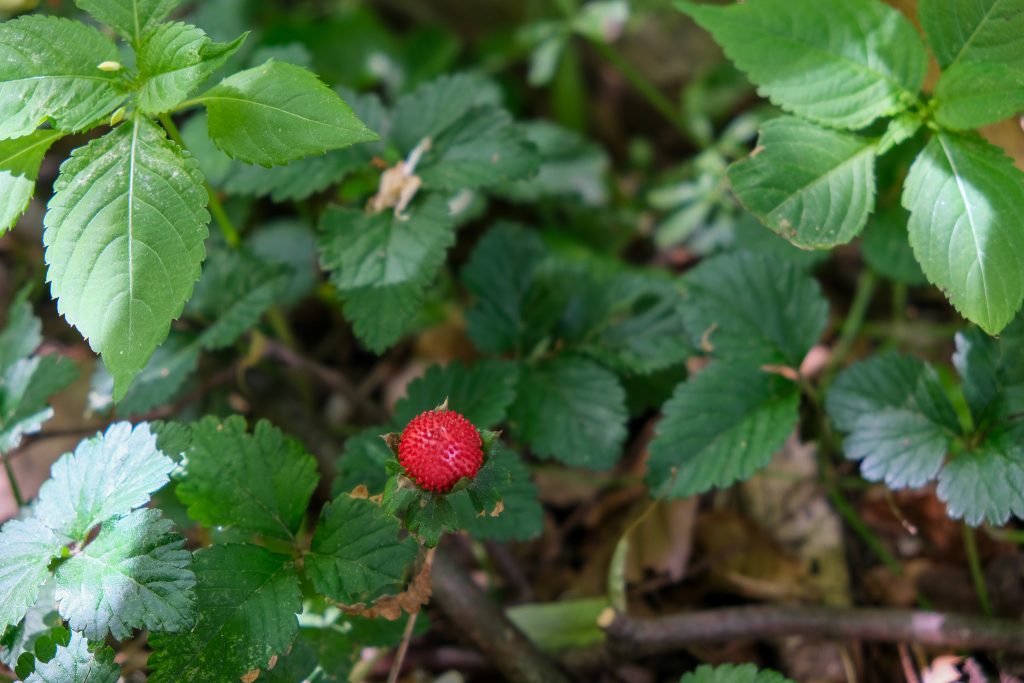
The forest is crisscrossed with numerous walking trails that lead visitors through lush greenery, shady pathways, and diverse plant life. Wandering through the woods, we passed wild strawberries growing along the trails. We also enjoyed the cool shade provided by the dense tree canopy.
Along the way, we encountered many visitors. Unfortunately, however, we did not spot the forest’s most famous resident—the squirrel affectionately known as “Leechwald Hansi.” Leechwald is also known for its rich biodiversity, including truffles, and during autumn the forest even hosts truffle-hunting events.
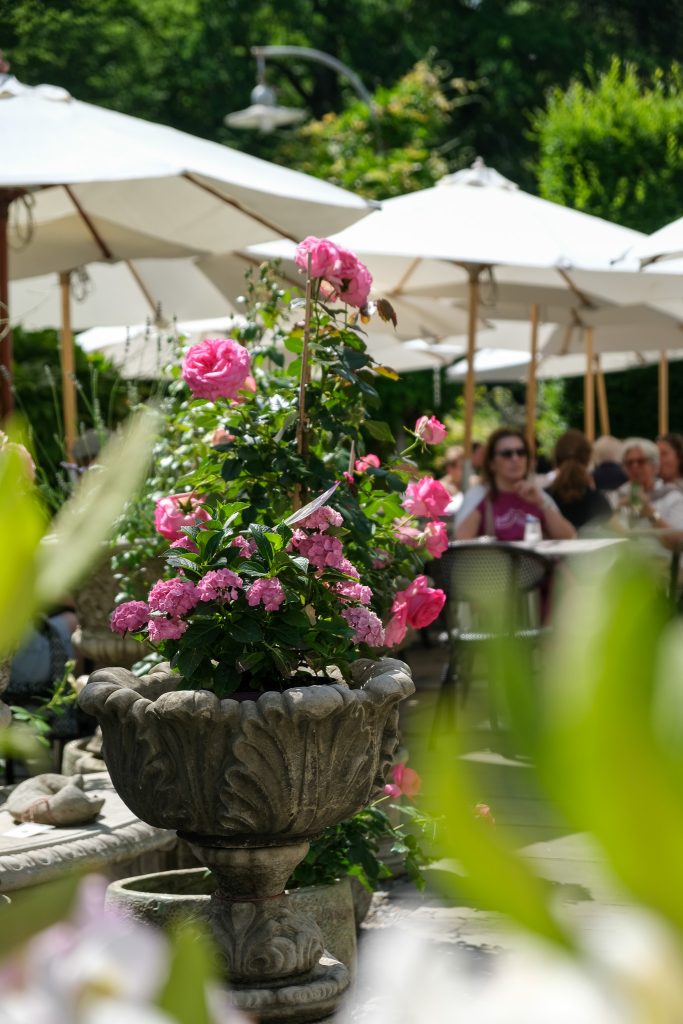
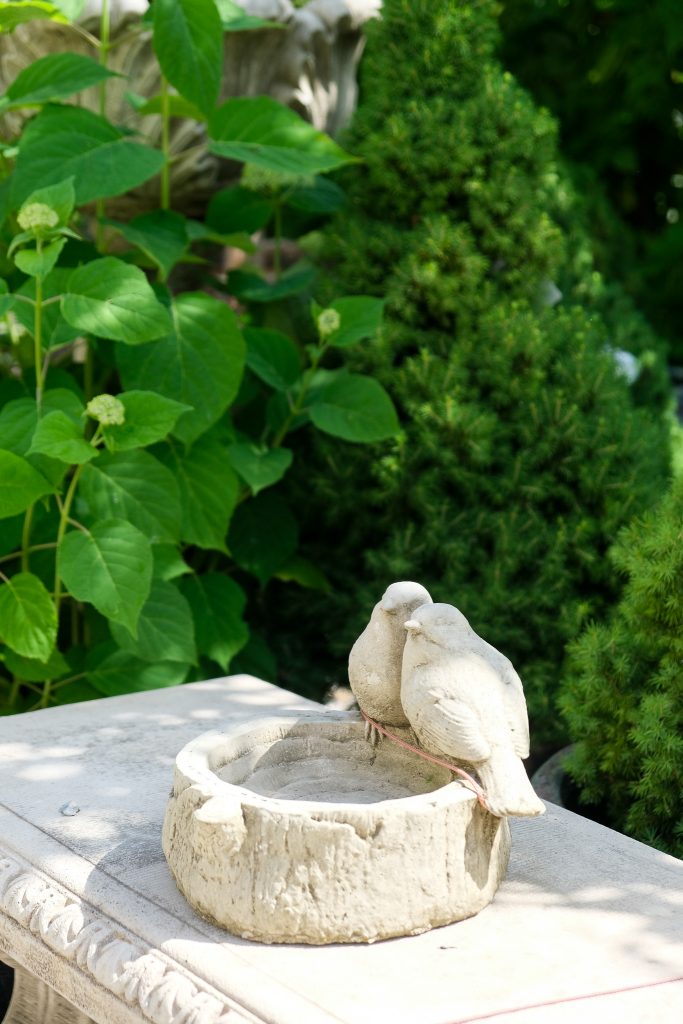
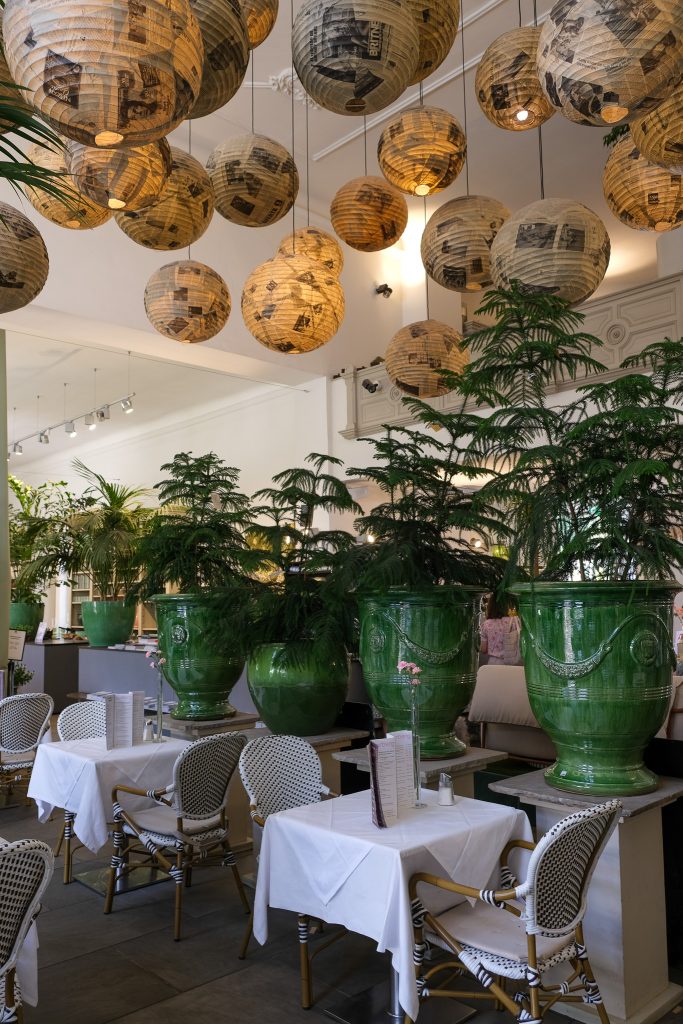
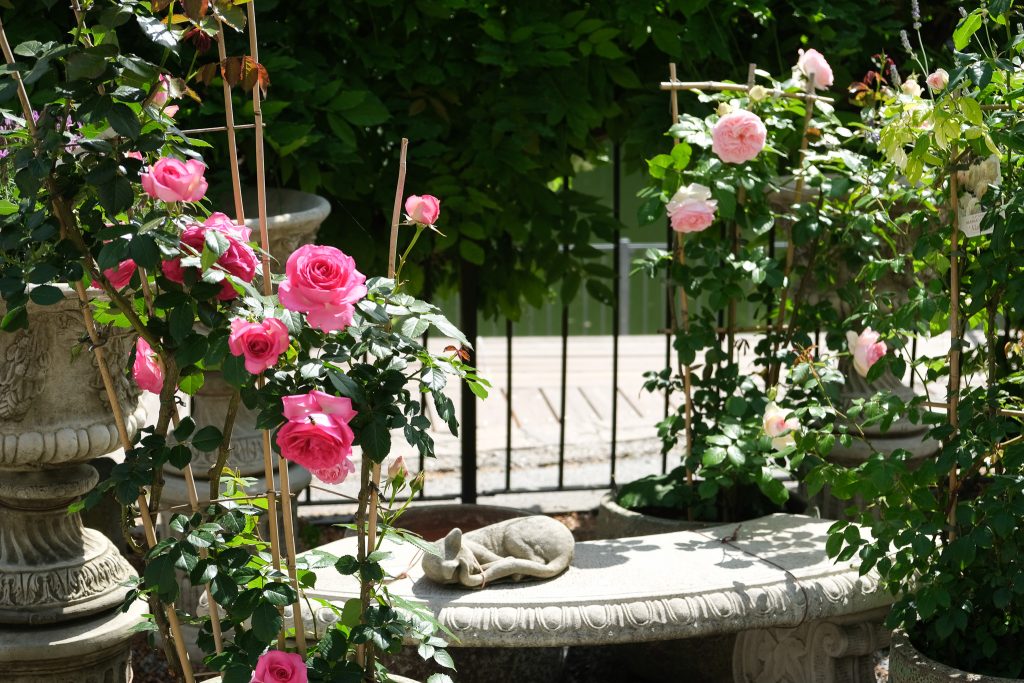
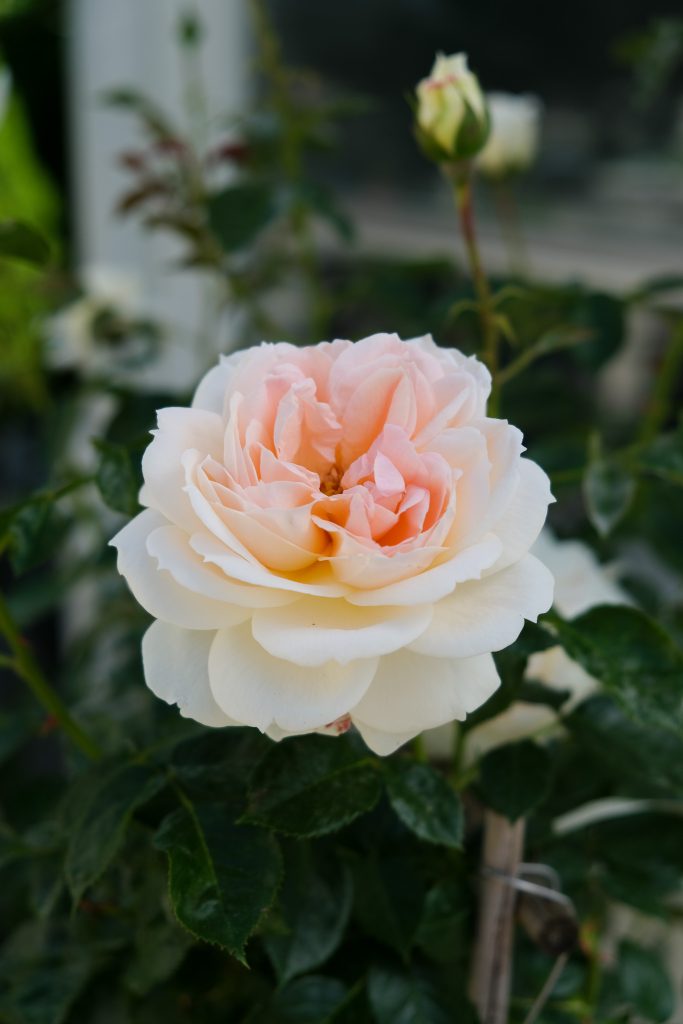
After a relaxing walk, visitors can unwind in oversized lounge chairs. They can also enjoy a cup of coffee at the creatively designed Purberg café and restaurant. The property features a shop selling plants, garden accessories, and decorative items.
Green Graz and Schlossberg – flowers, panoramic views and sunset magic
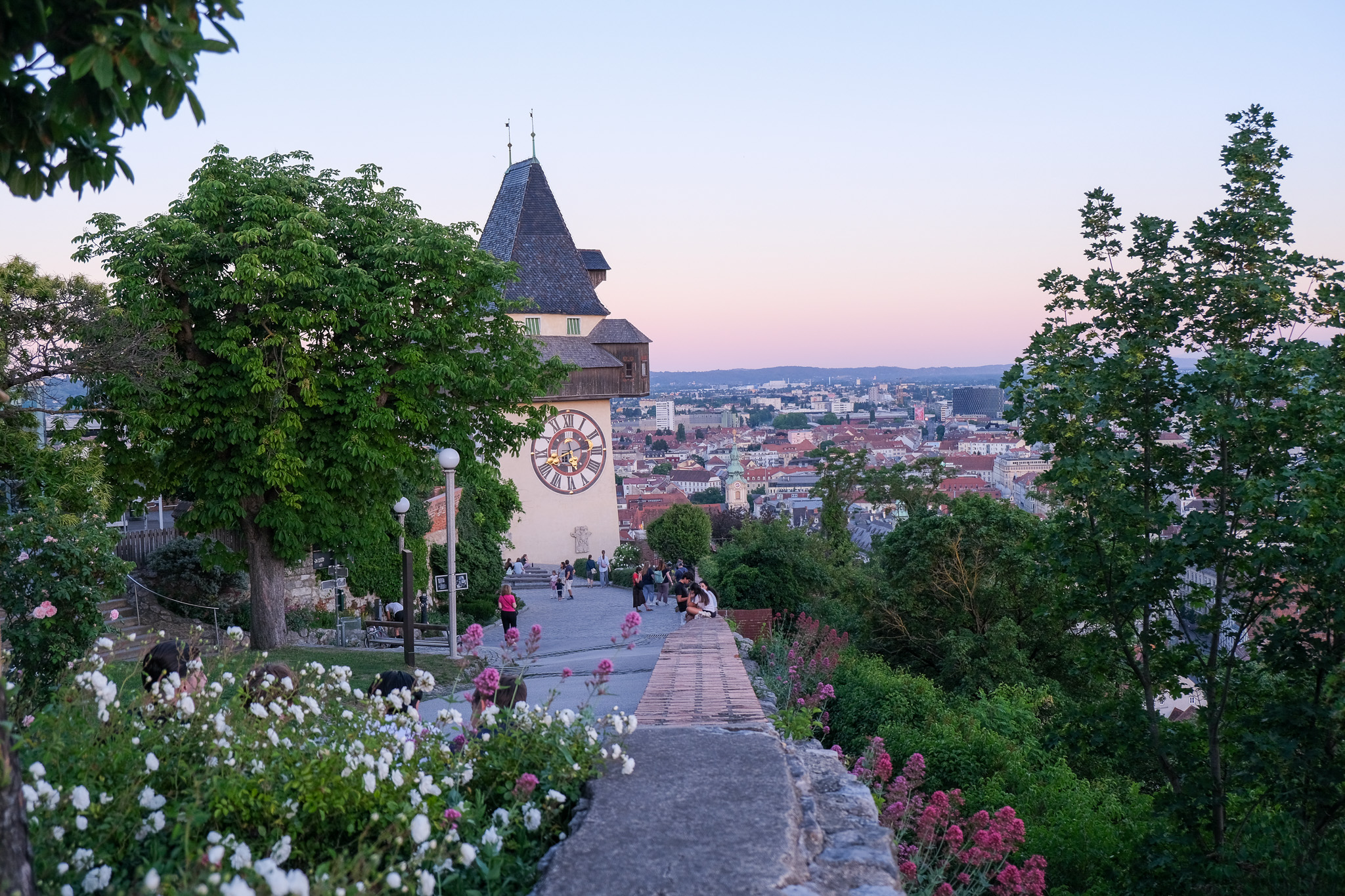
Our final destination that day, before dinner, was Schlossberg, the iconic hill that rises above the center of Graz. Once home to a historic fortress, Schlossberg is now a beautiful public park. It is one of the city’s most beloved attractions. The famous Clock Tower (Uhrturm) situated there is one of the most recognizable landmarks in Graz.
The park serves as both a green retreat and a panoramic viewpoint. It offers breathtaking views of the city. One of the most memorable experiences is watching the sunset from the top of the hill. On sunny days, it is common to see students and locals gathering here for picnics.
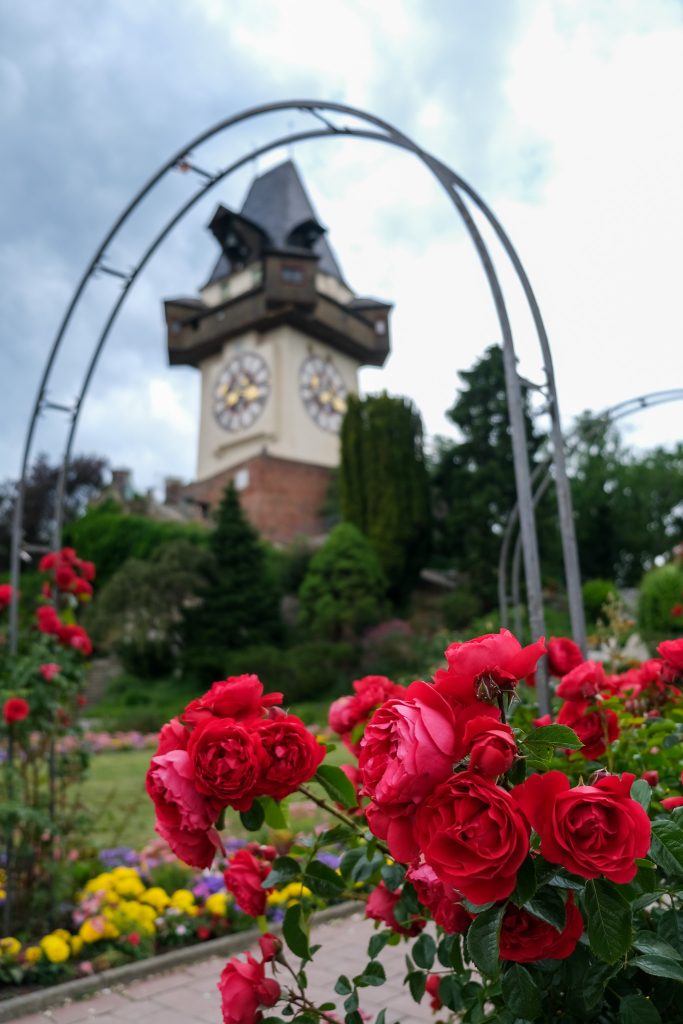
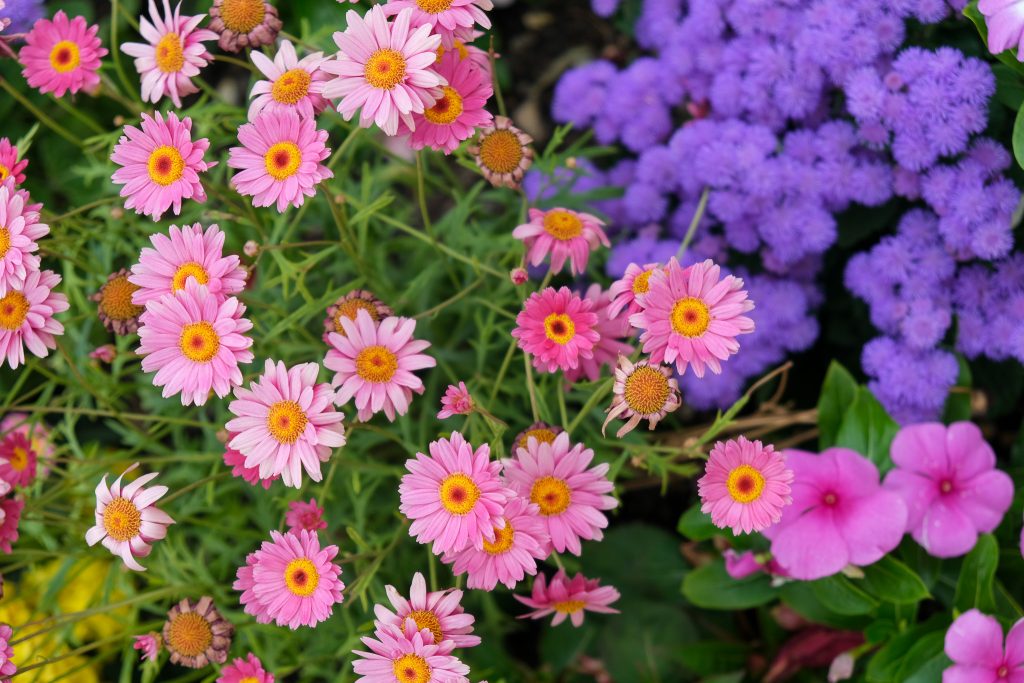
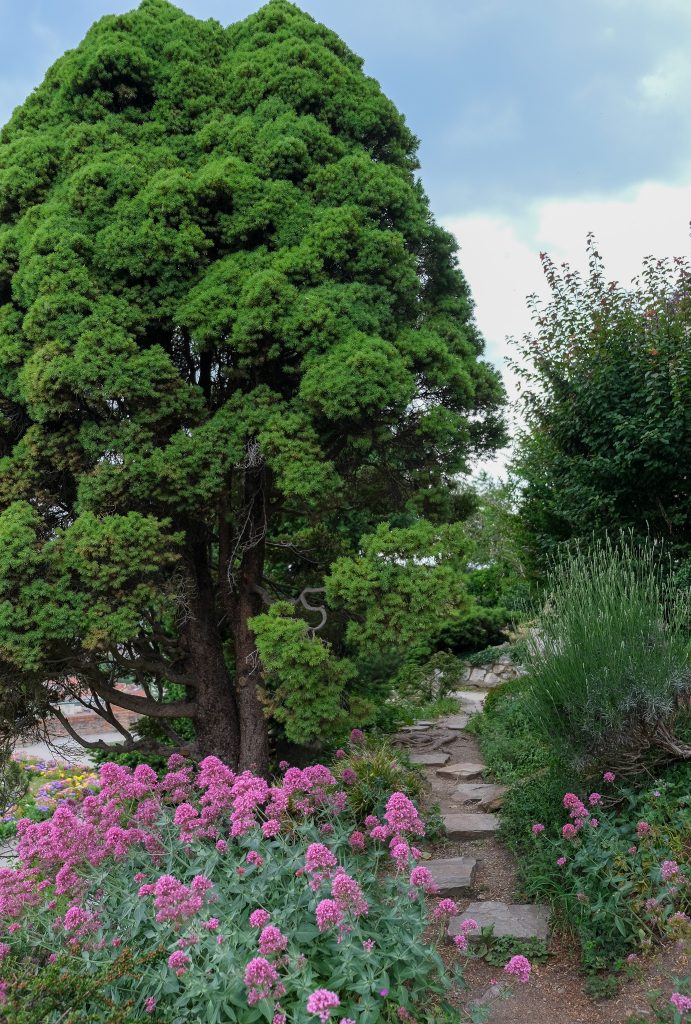
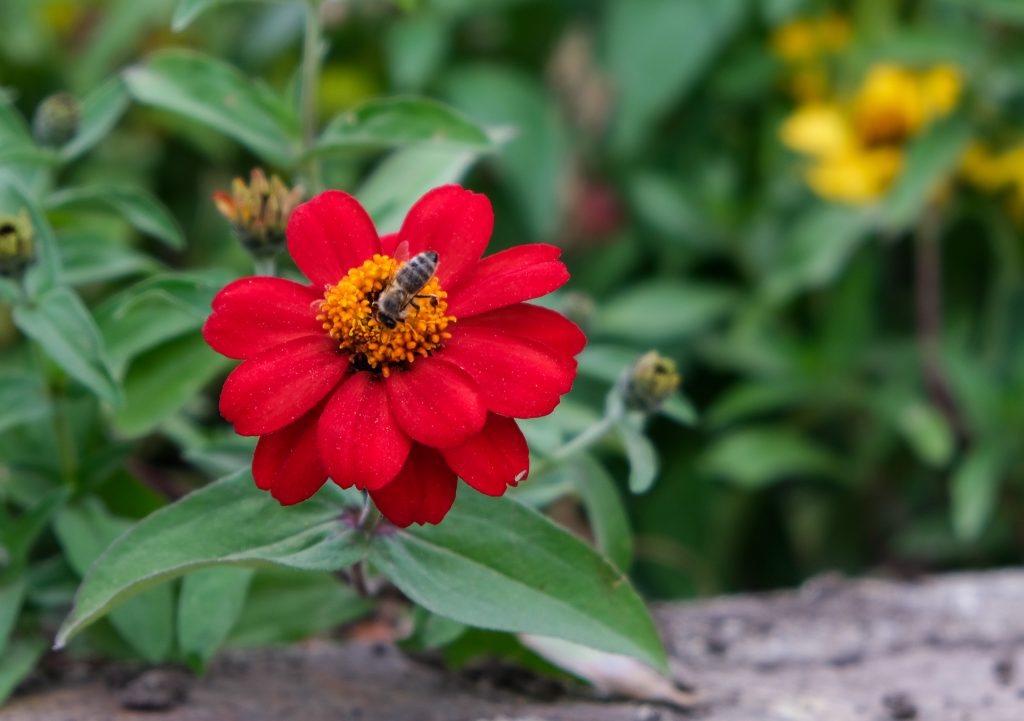
Beautifully landscaped Herberstein Garden lies just beneath the Clock Tower. Spring is undoubtedly one of the best times to visit, when roses and seasonal flowers are in full bloom.
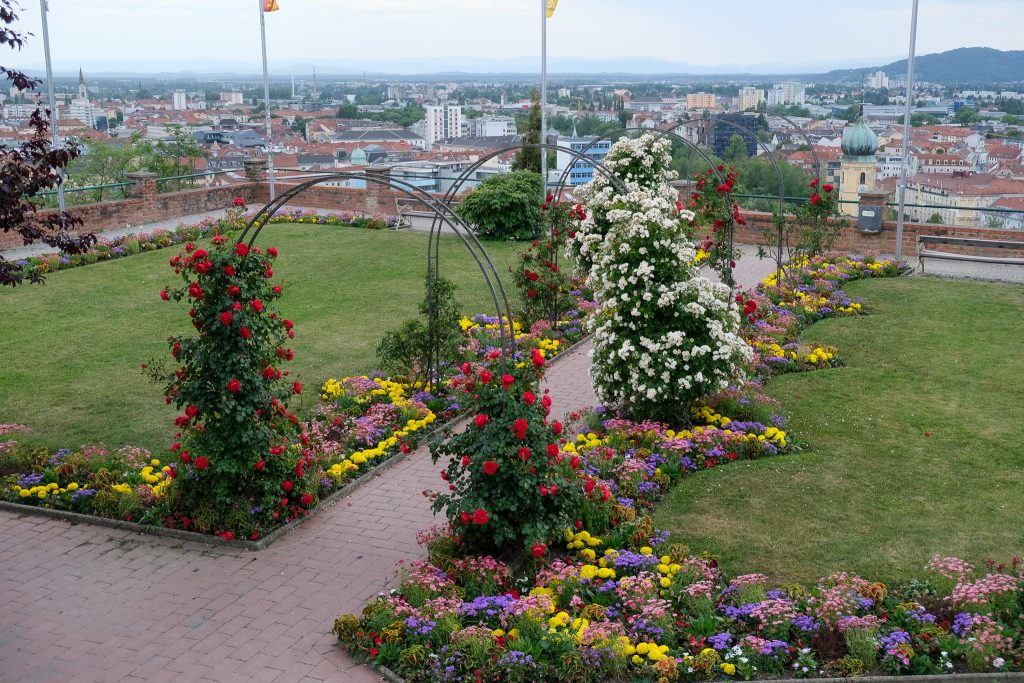
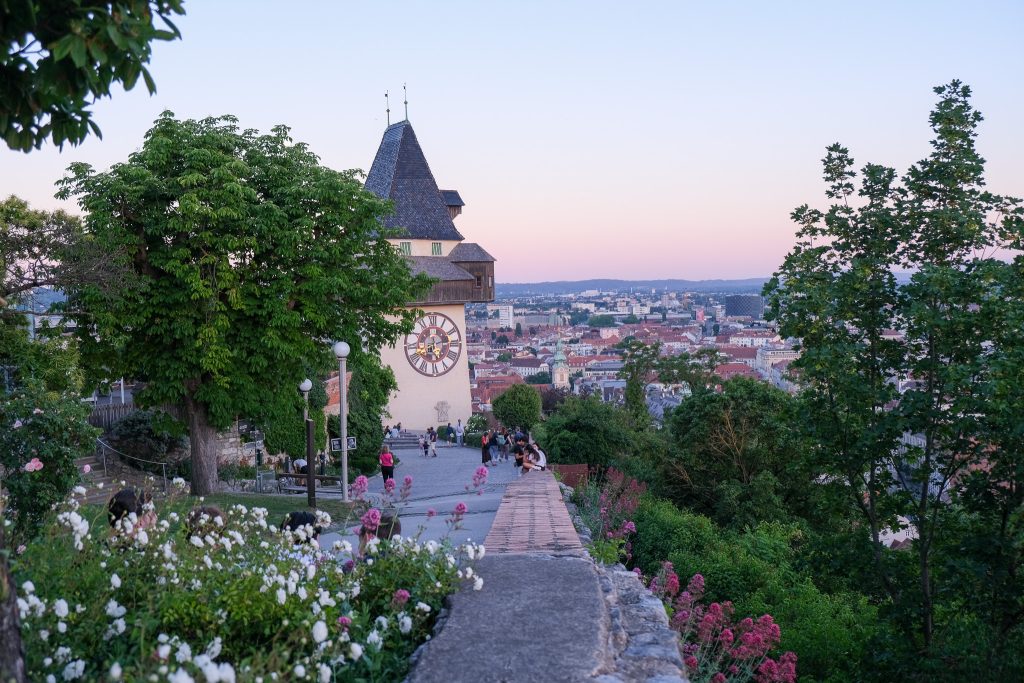
The quickest way to reach the top is via the glass Schlossberg Lift, located at the base of the hill. A one-way adult ticket costs €2.50. Visitors can also take the Schlossbergbahn funicular. Reaching the top on foot climbing the Schlossberg Staircase (Schlossbergstiege) or through Karmeliterplatz is also an option.
Where to eat in Graz
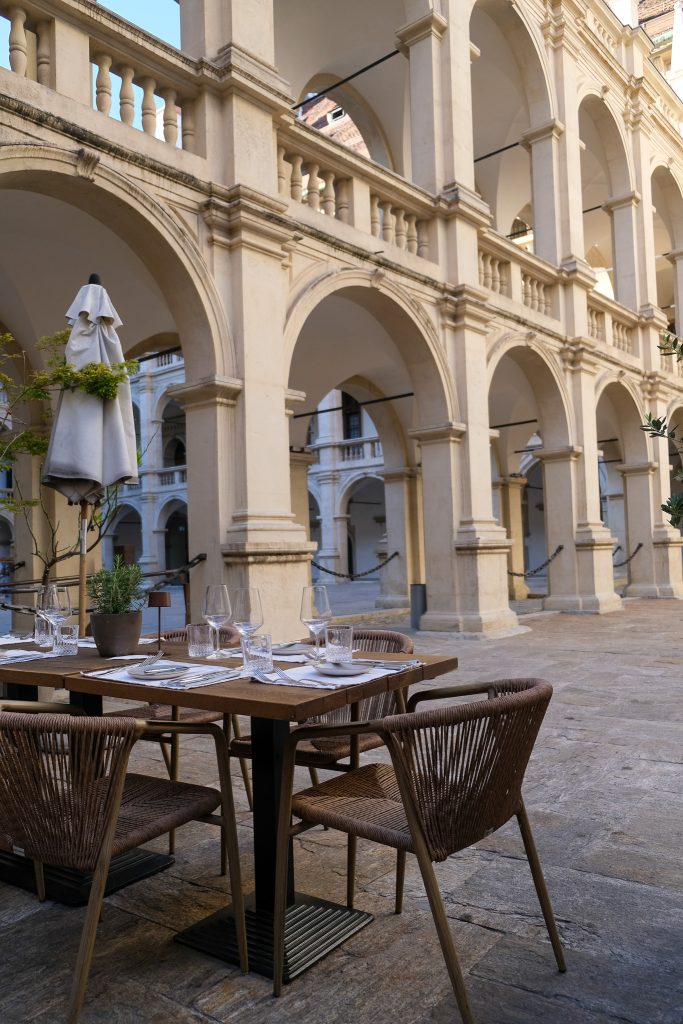
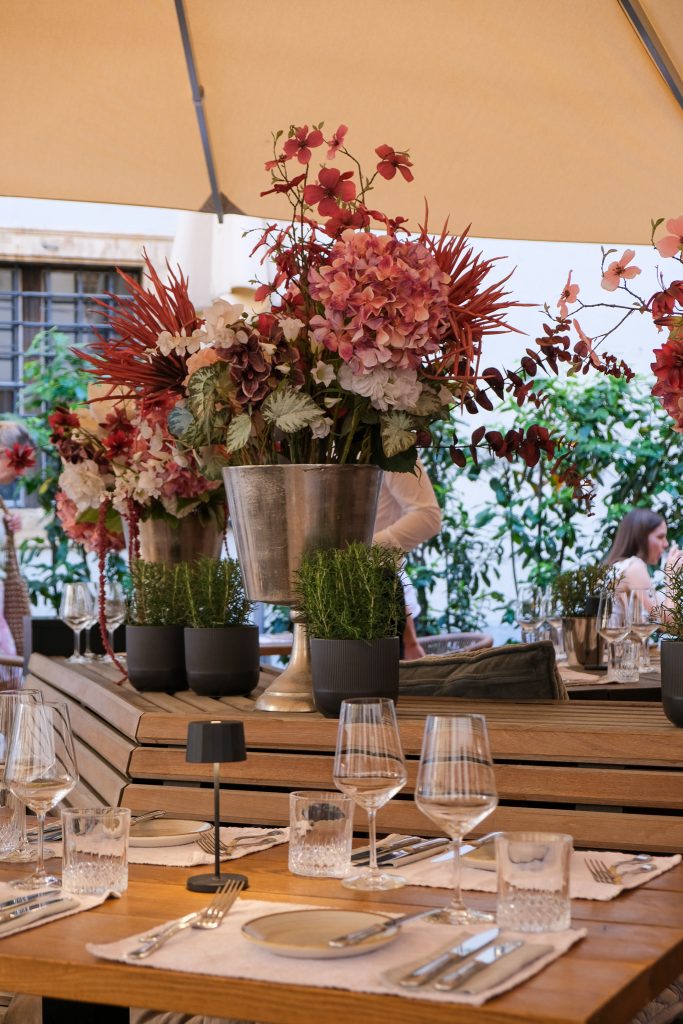
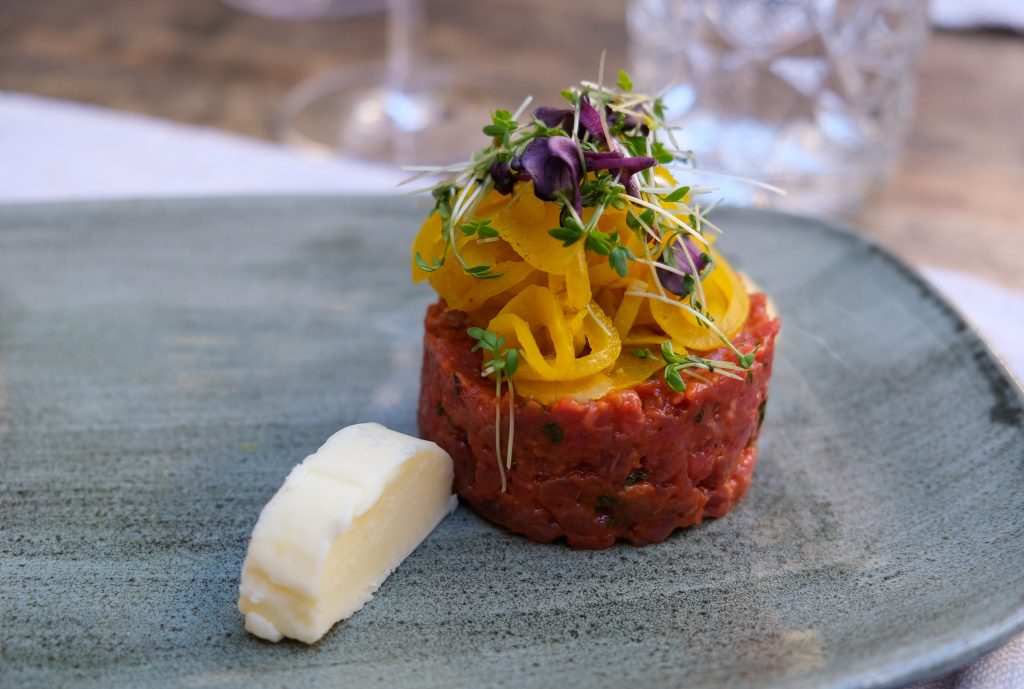
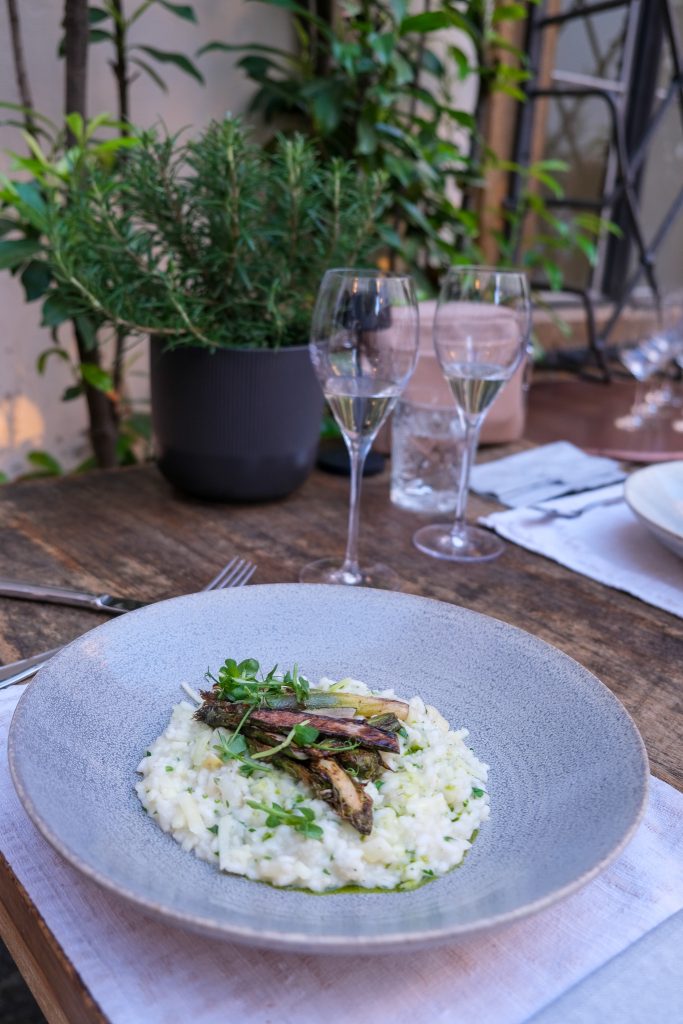
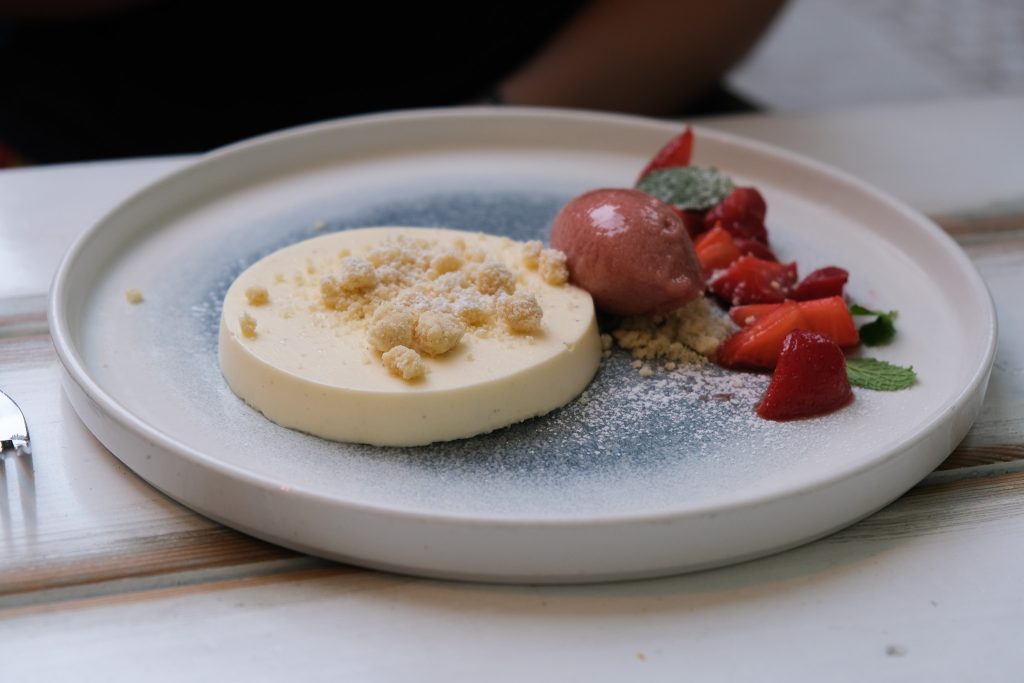
Graz boasts an impressive culinary scene that caters to every taste, from traditional Austrian cuisine to vegetarian and vegan dining. During our visit, we dined at Landhauskeller, located at Schmiedgasse 9 in the city center. This traditional Austrian restaurant offers a unique setting. The terrace is overlooking the stunning Renaissance courtyard of the Styrian Parliament building, known as the Landhaus. In this historic atmosphere, we enjoyed a delicious beef tartare and excellent creamy asparagus risotto.
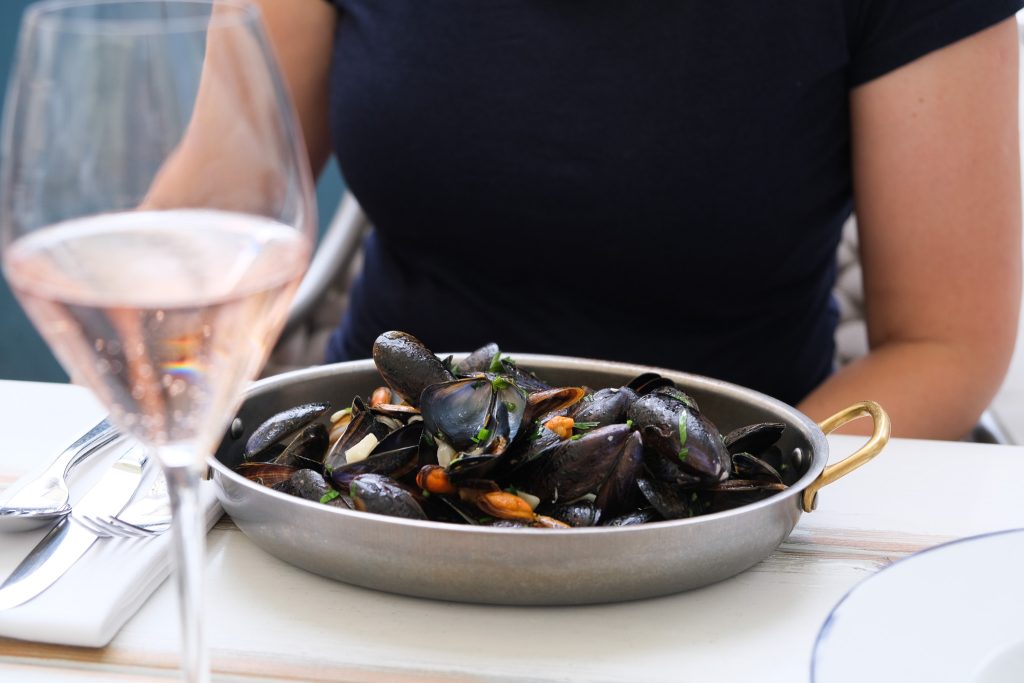
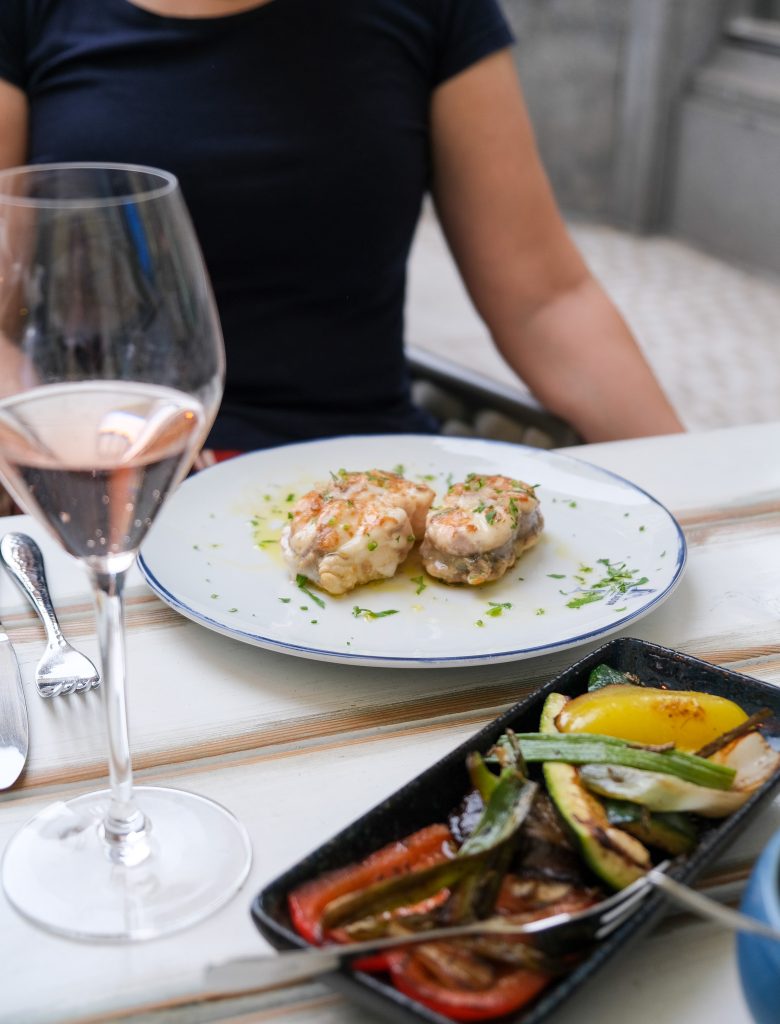
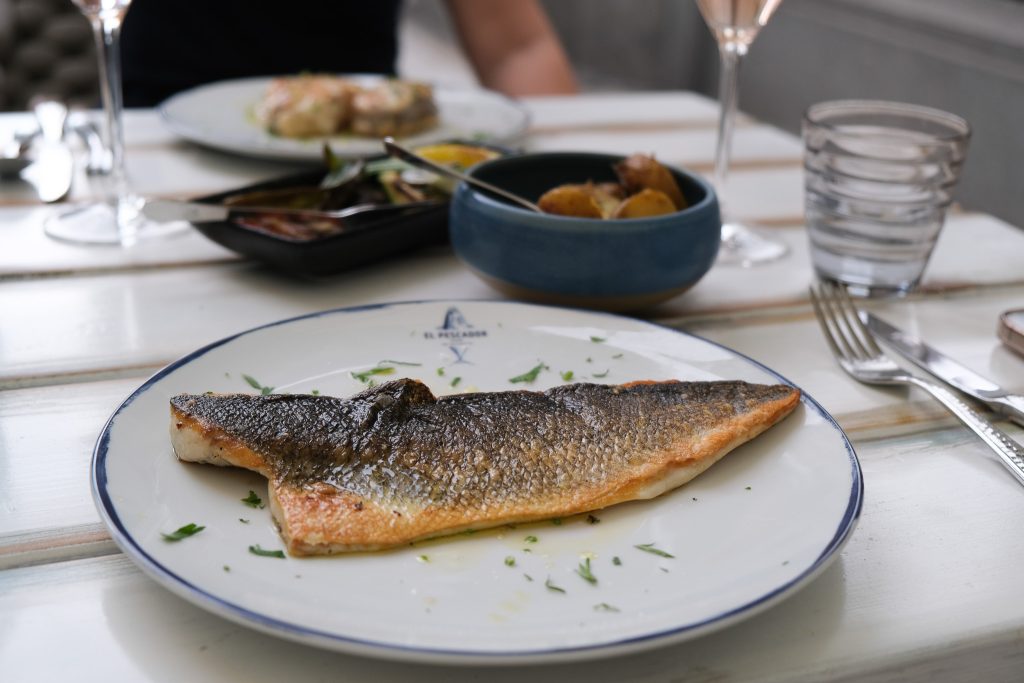
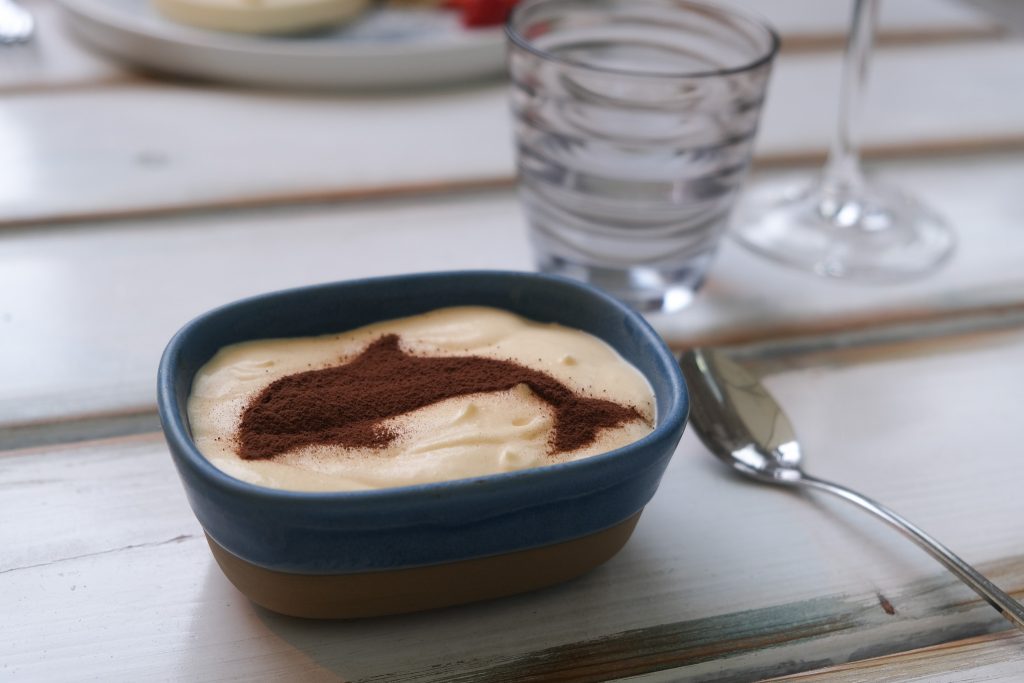
Another excellent dining option is El Pescador, located nearby at Landhausgasse 6. This seafood restaurant impressed us with its fresh fish specialties. Their tiramisu was one of the evening’s highlights as well.
For more restaurant suggestions click here.
Why this city deserves the title of Green Graz
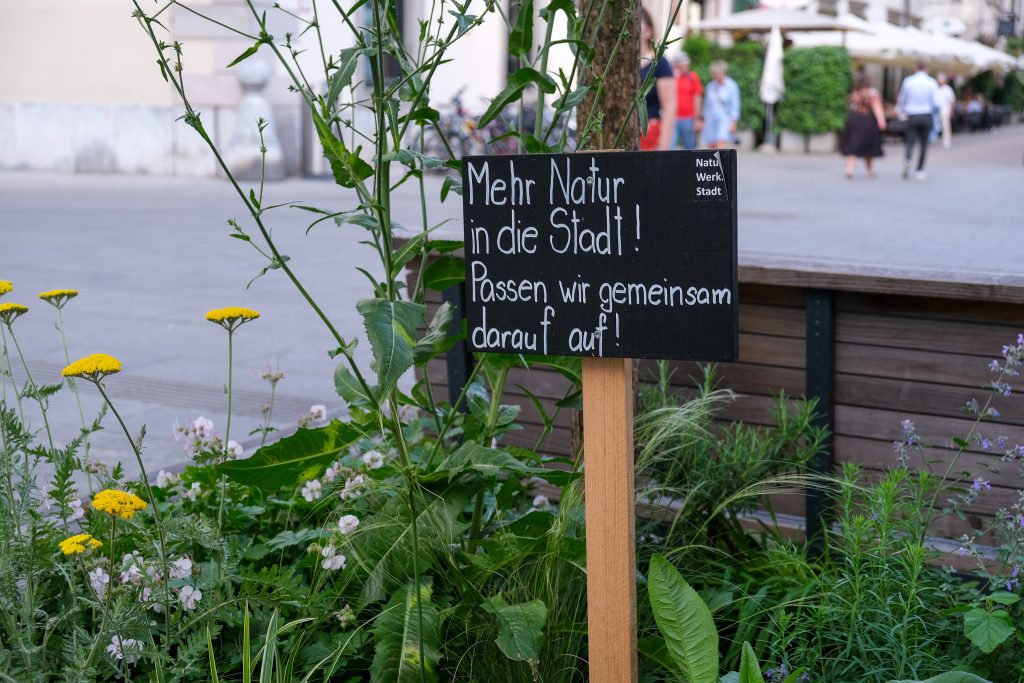
Walking through the parks of Graz, it is clear that sustainability is not just a trend. It is a way of life. Graz demonstrates how green spaces can be far more than urban decoration. They contribute directly to a healthier, more enjoyable quality of life for both residents and visitors. Graz is known as the city of design and a vibrant university city. In addition, we would give it one more title – The green city.
If you are planning a visit, be sure to explore this green side of Graz. It may just become your favorite part of the city.
Travel Tip: Download the free interactive Graz Uncovered app to help you discover hidden attractions, local recommendations, and unique experiences throughout the city.
Photos and video: Putopis. All rights reserved.
The article is made in cooperation with Graz Tourist Office.