
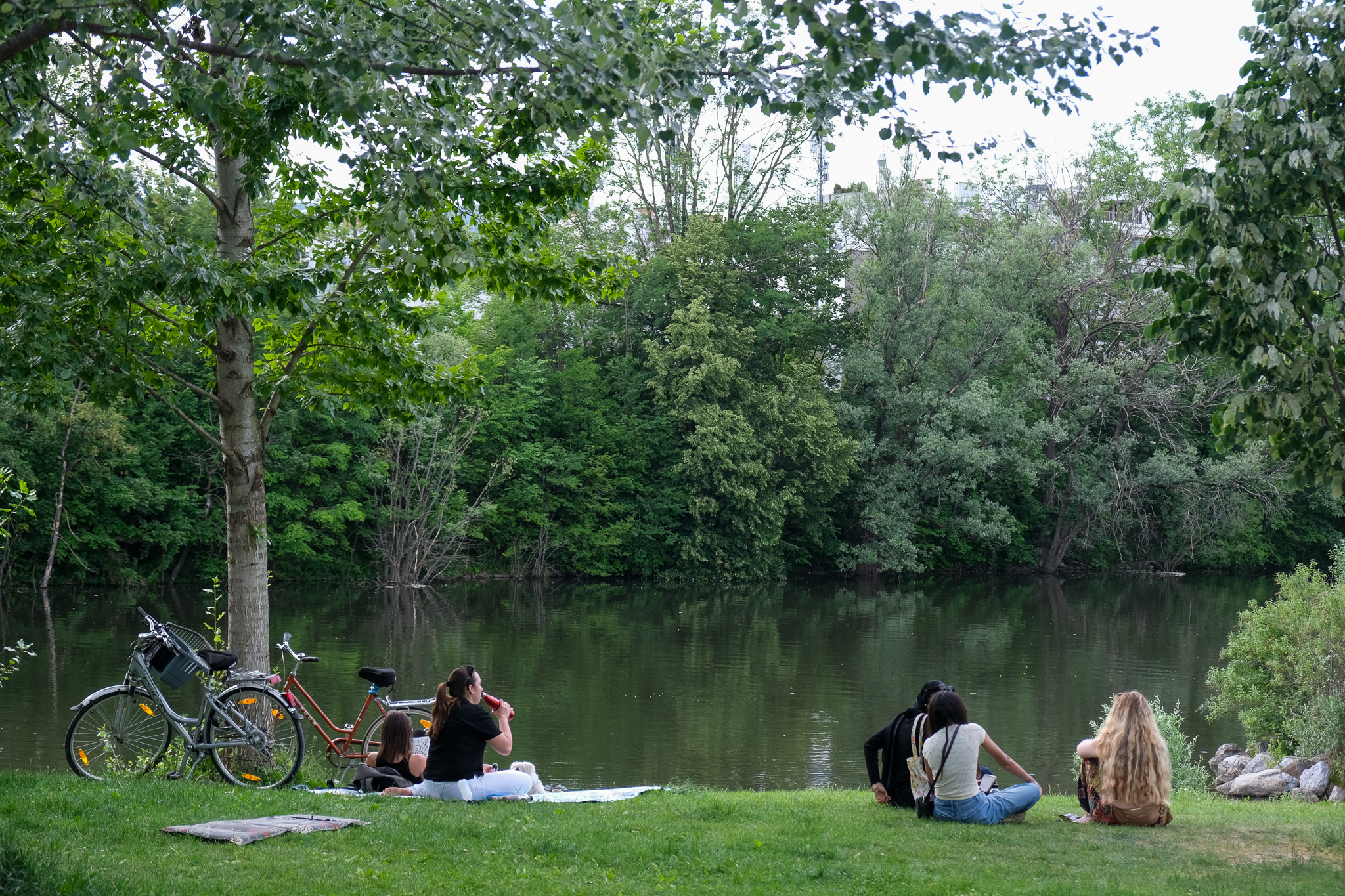
Austria’s second-largest city, Graz, is renowned for its rich history, stunning architecture, vibrant student life, innovative design, and commitment to sustainability. But did you know that Graz is also home to an incredible collection of parks, gardens, riverside promenades, and forests? Whether you’re looking for a peaceful place to unwind, enjoy a picnic, go for a walk, or spend time outdoors with your family, Graz offers plenty of green spaces just minutes from the historic city centre. We’ve explored the city’s green side and selected five of the most beautiful parks in Graz that every visitor should experience.
Schlossberg Park and Gardens
Located in the heart of Graz, Schlossberg Park surrounds the city’s iconic Clock Tower (Uhrturm), one of Graz’s most recognisable landmarks. Beautifully landscaped gardens filled with Mediterranean plants and colourful flowers make this hilltop park one of the city’s most picturesque spots.
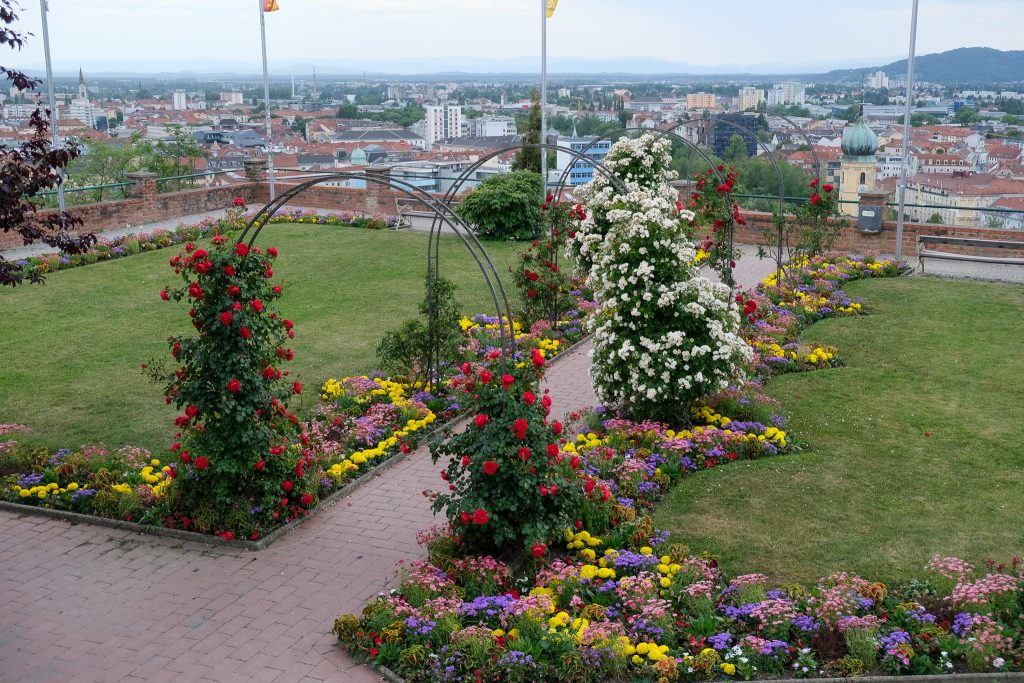
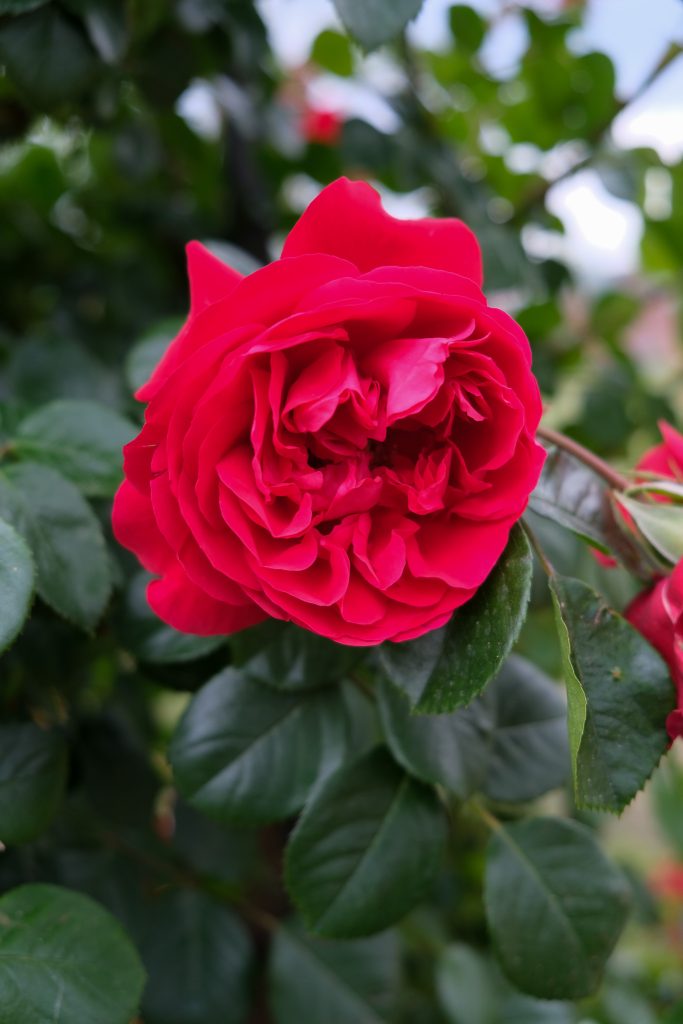
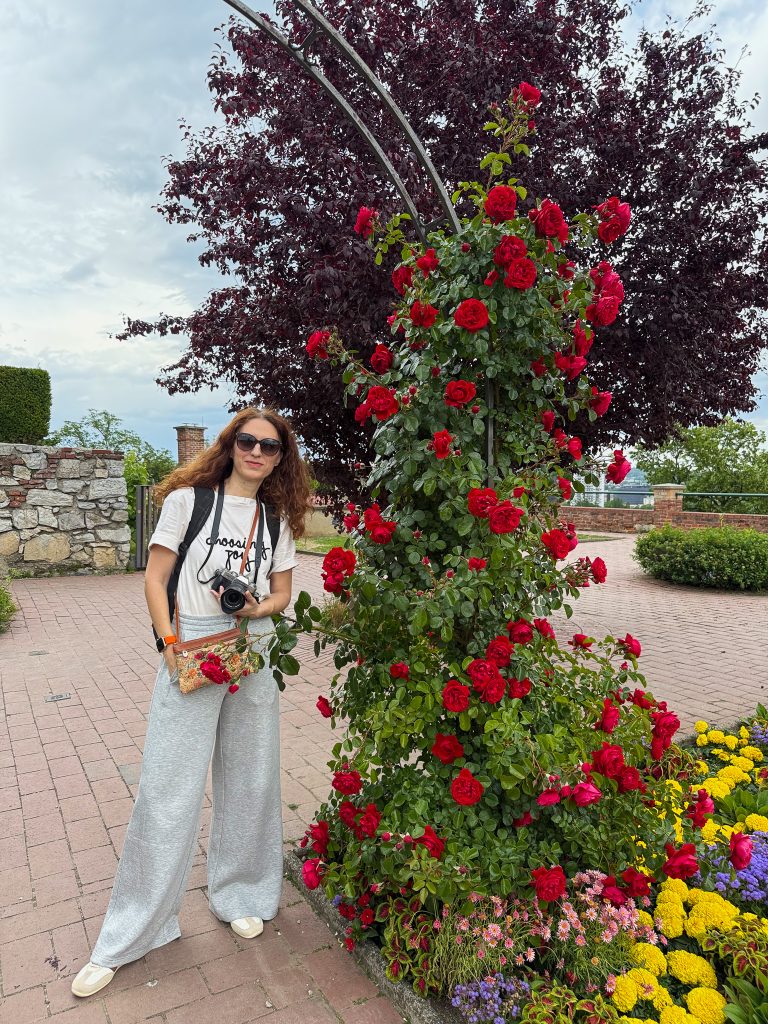
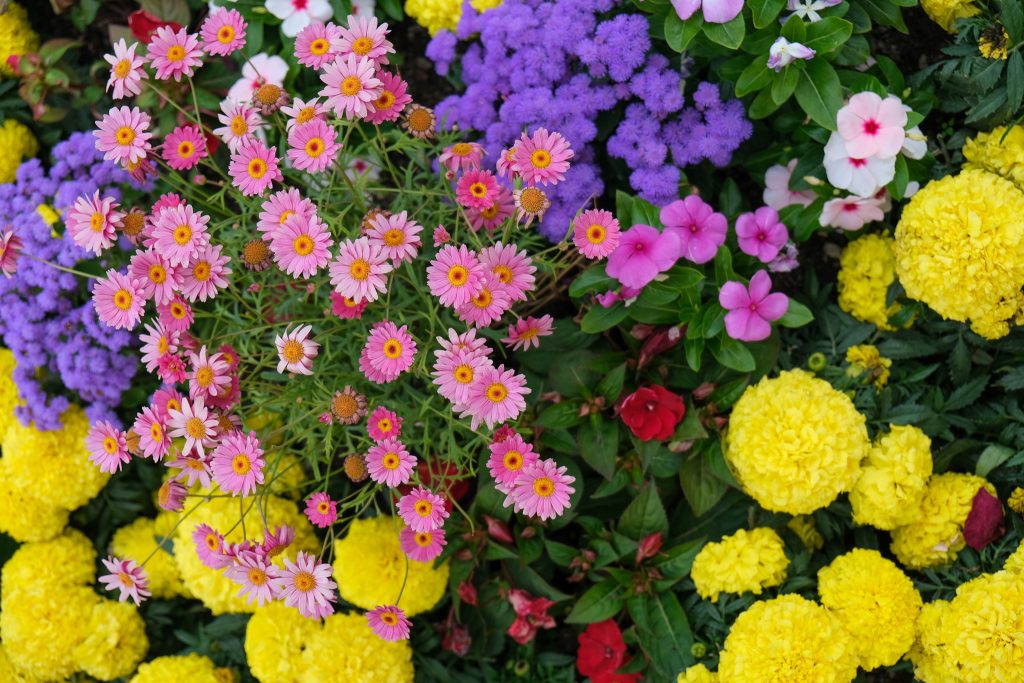
Take a leisurely stroll along the scenic pathways or simply enjoy the breathtaking panoramic views over Graz. Sunset is an especially magical time to visit, when locals gather on the grassy slopes for picnics while the sky glows in shades of orange and pink.
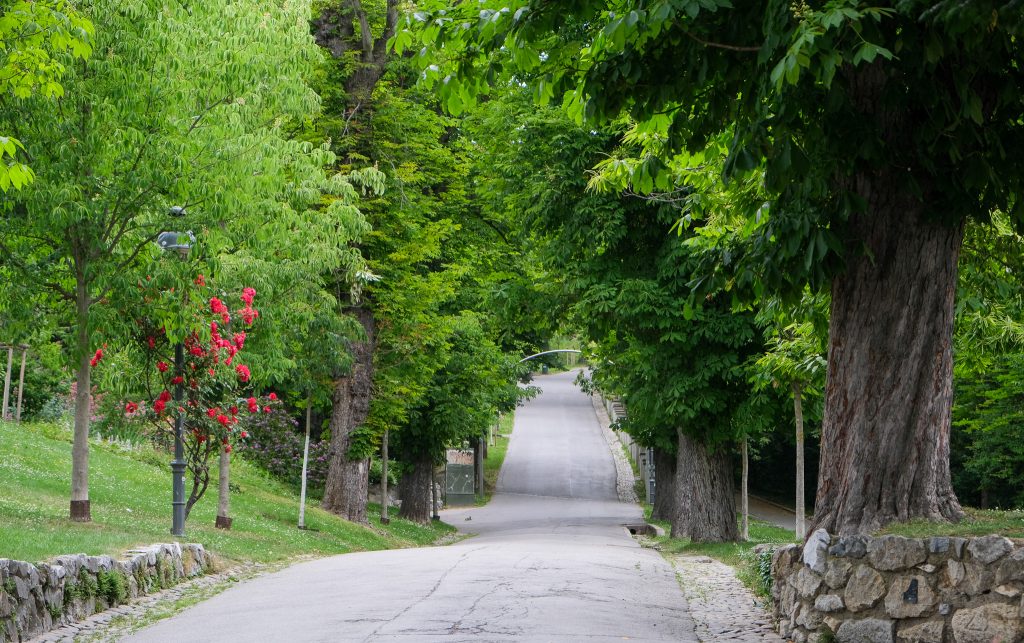
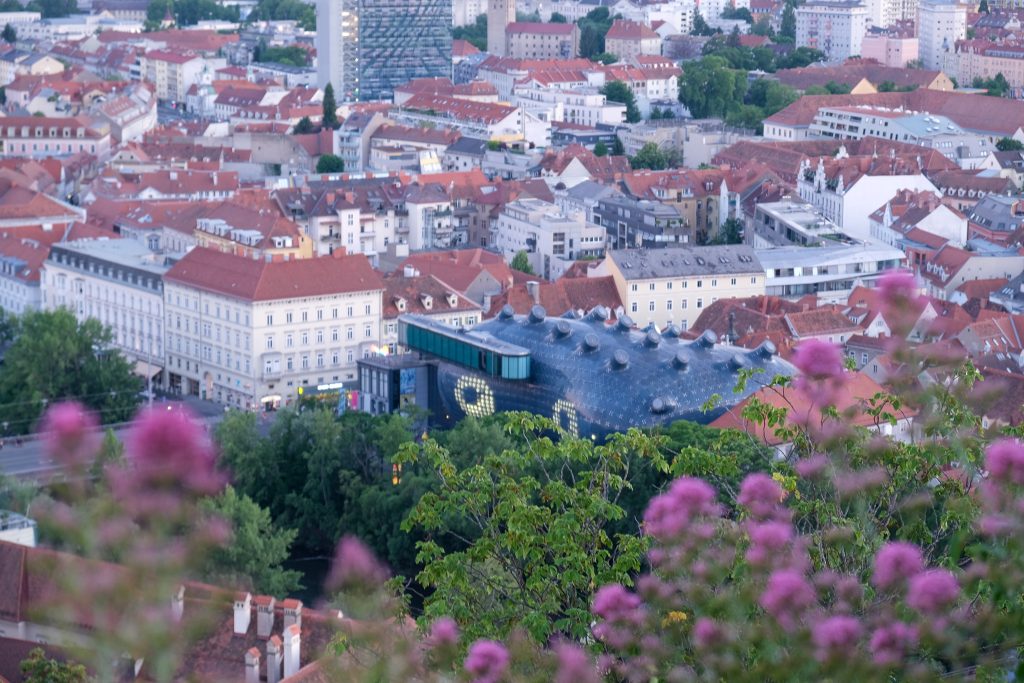
There are several ways to reach Schlossberg: by the glass elevator, funicular railway, staircase, or on foot. Adventure seekers can even descend via the Schlossberg Slide, the world’s tallest underground slide, measuring 175 metres in length.
As you explore the park, don’t miss the historic Clock Tower (Uhrturm), the Gothic Gate on the northern plateau, and the Hacker Lion statue. The original lion monument, erected in 1909 to honour General Franz Hacker zu Harta and commemorate the 100th anniversary of Graz’s defence against Napoleon’s troops, was melted down during World War II. The replica visitors see today was installed in 1966.
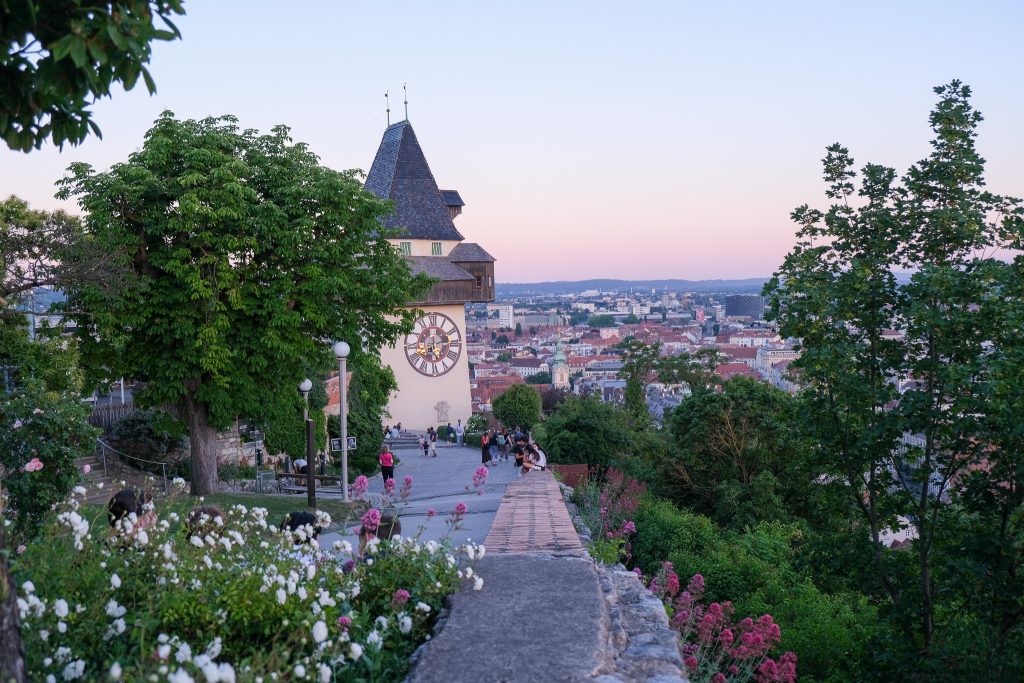
If you’d like to relax after sightseeing, enjoy a drink at the stylish Skybar or dine at the renowned Schlossberg Restaurant while taking in spectacular views of the city.
Eggenberg Palace Park
The entrance to Eggenberg Palace Park feels like stepping into a fairy tale. A magnificent Baroque palace emerges through towering trees and lush greenery, becoming more impressive with every step.
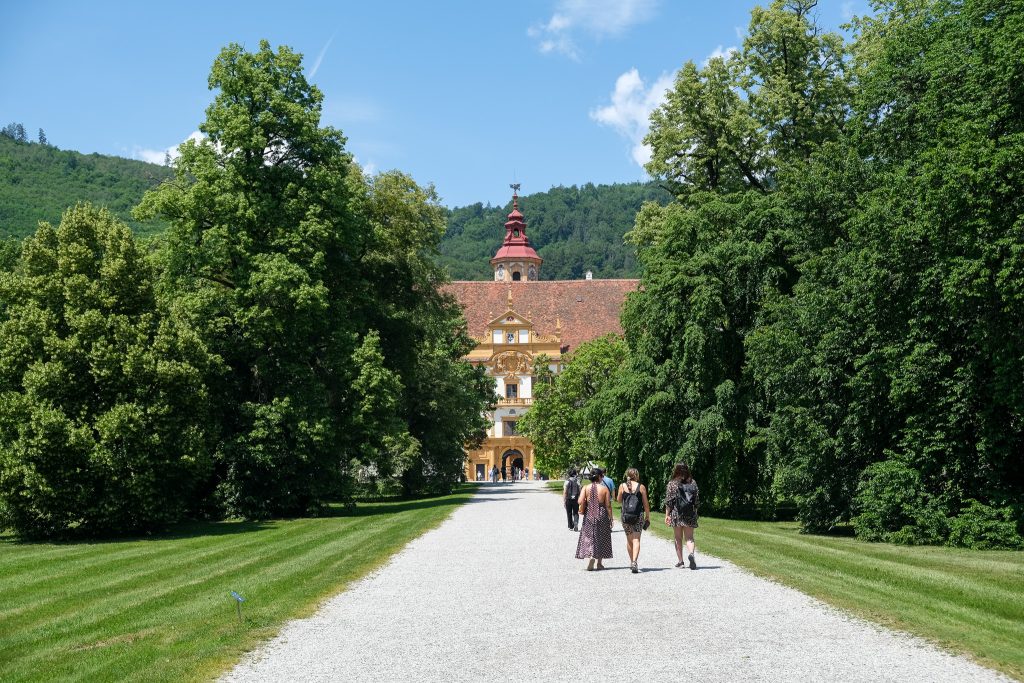
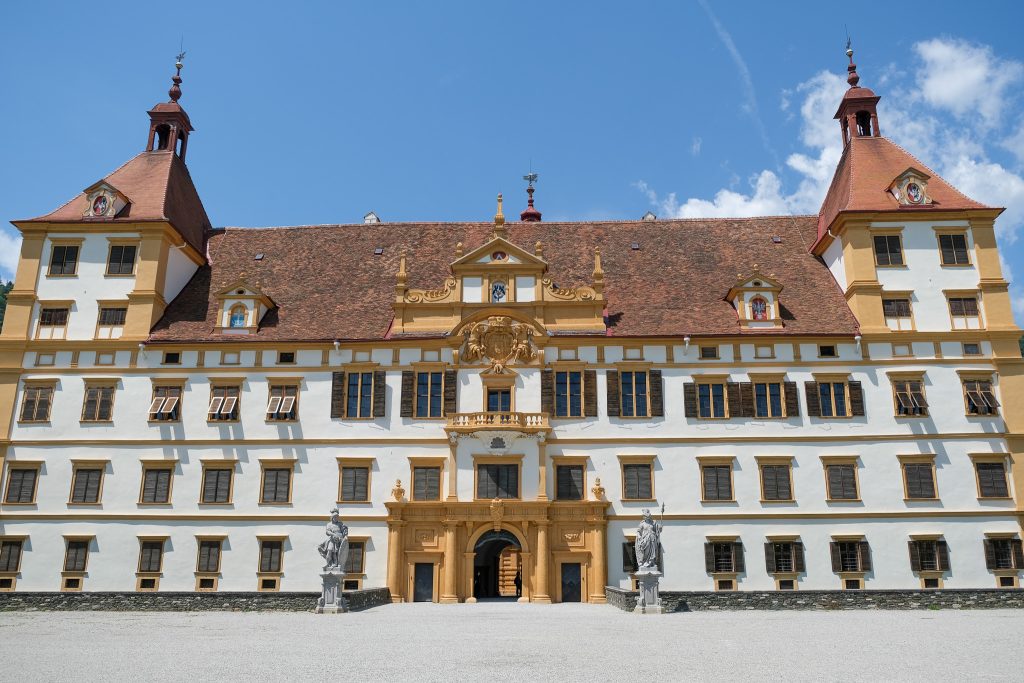
We previously visited Eggenberg Palace and were captivated by its fascinating concept of harmony. Every window, room, ceiling fresco, and decorative detail carries symbolic meaning, telling a story that has survived for centuries.
Since 2010, both Eggenberg Palace and its surrounding gardens have been listed as a UNESCO World Heritage Site. Read more about the palace here.
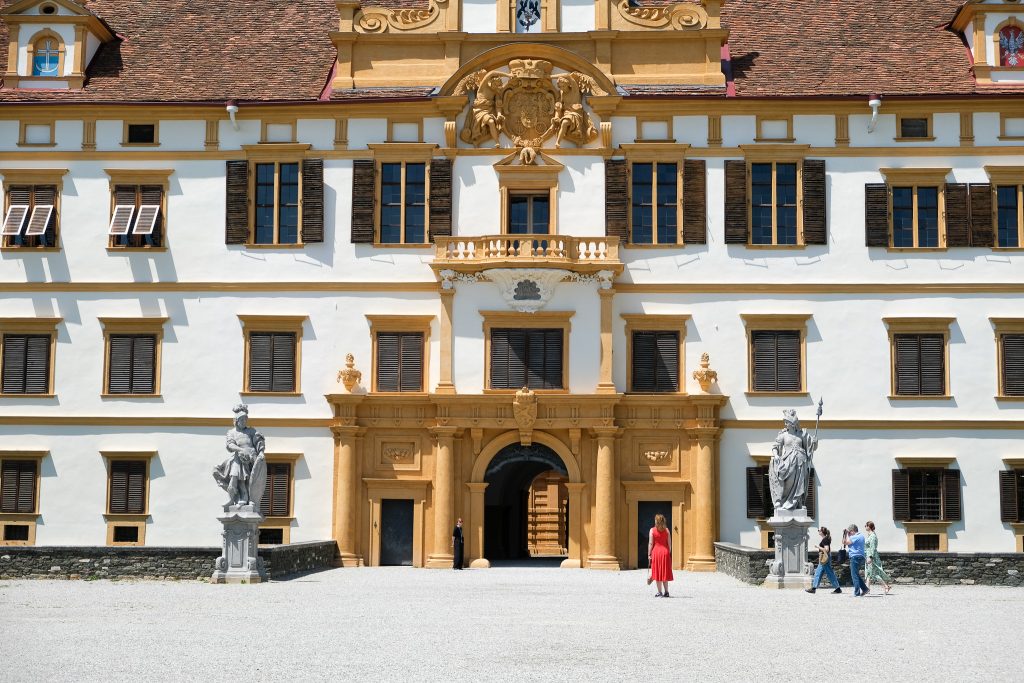
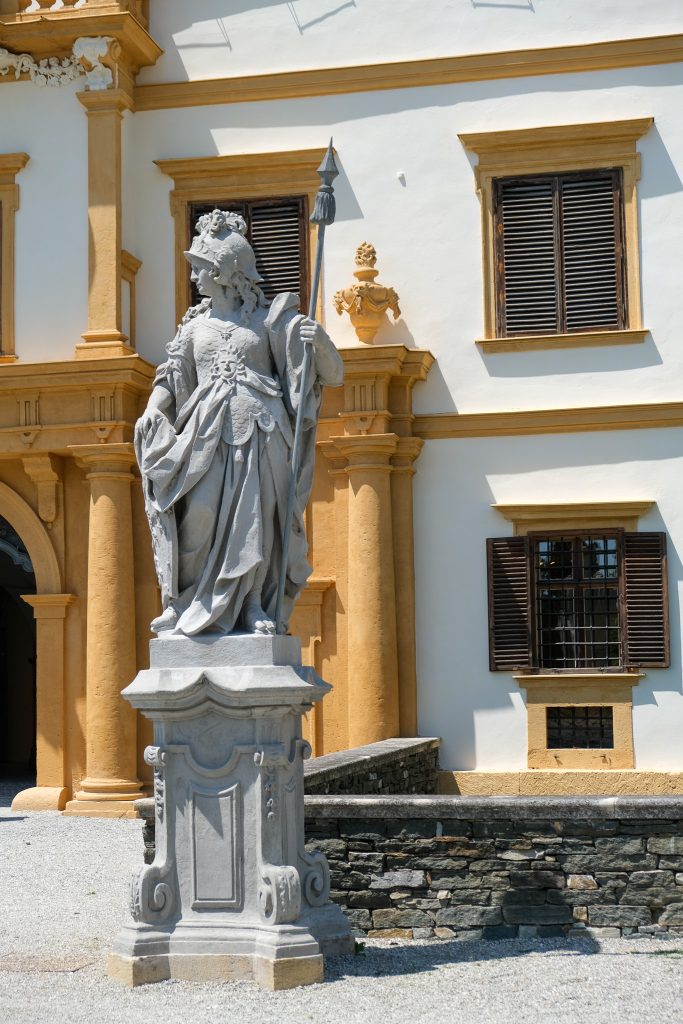
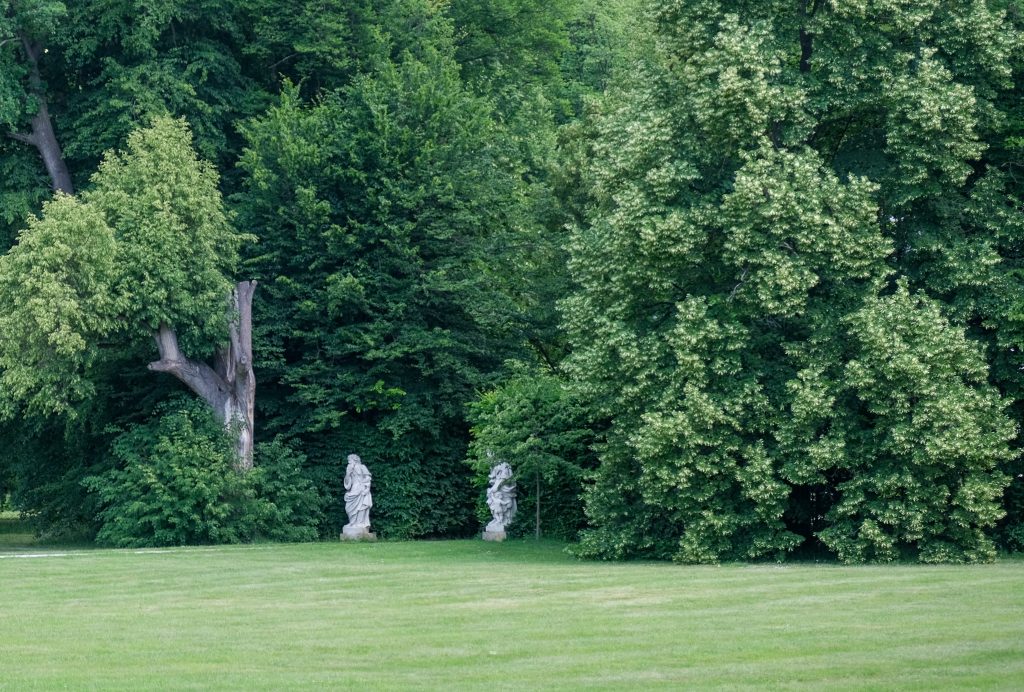
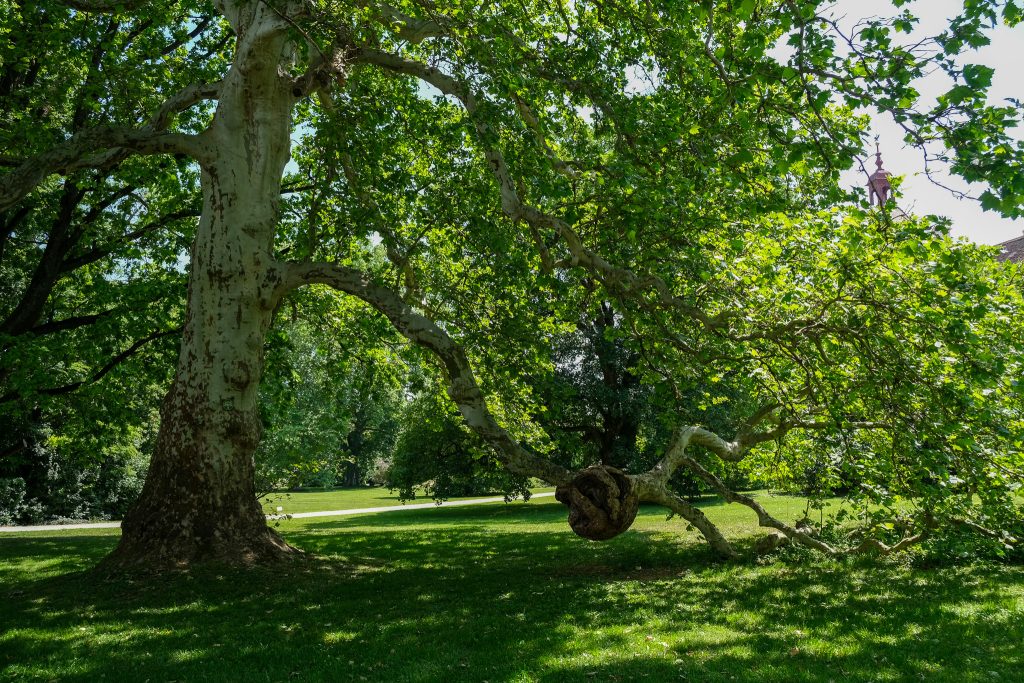
The extensive park surrounding the palace is considered one of Austria’s most valuable historic gardens. Originally created in the 17th century, it has evolved several times to reflect the tastes of successive owners.
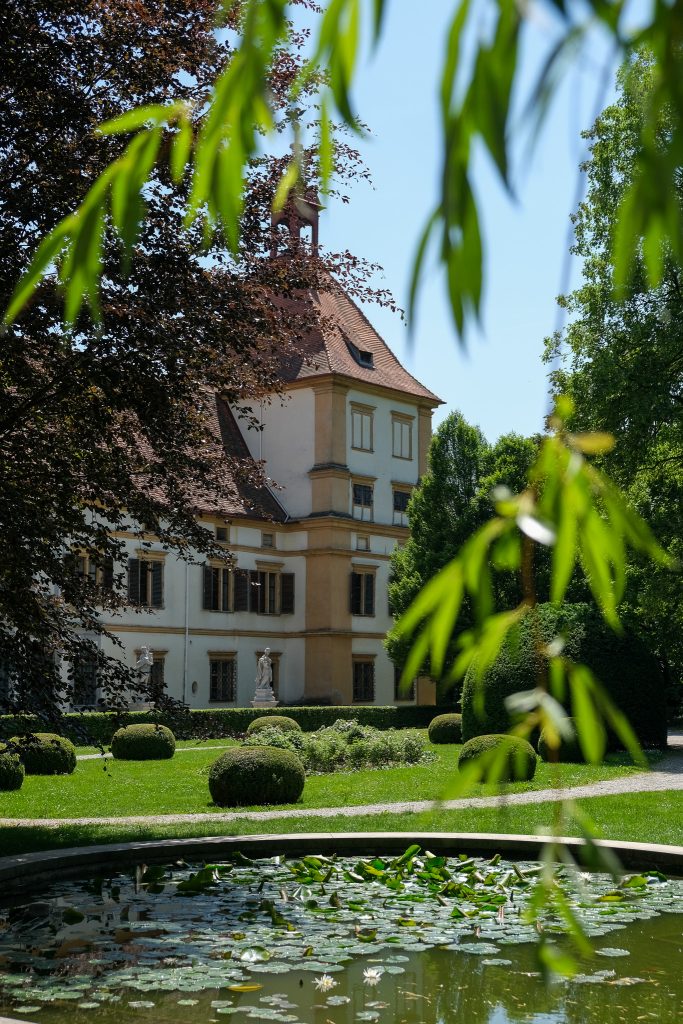
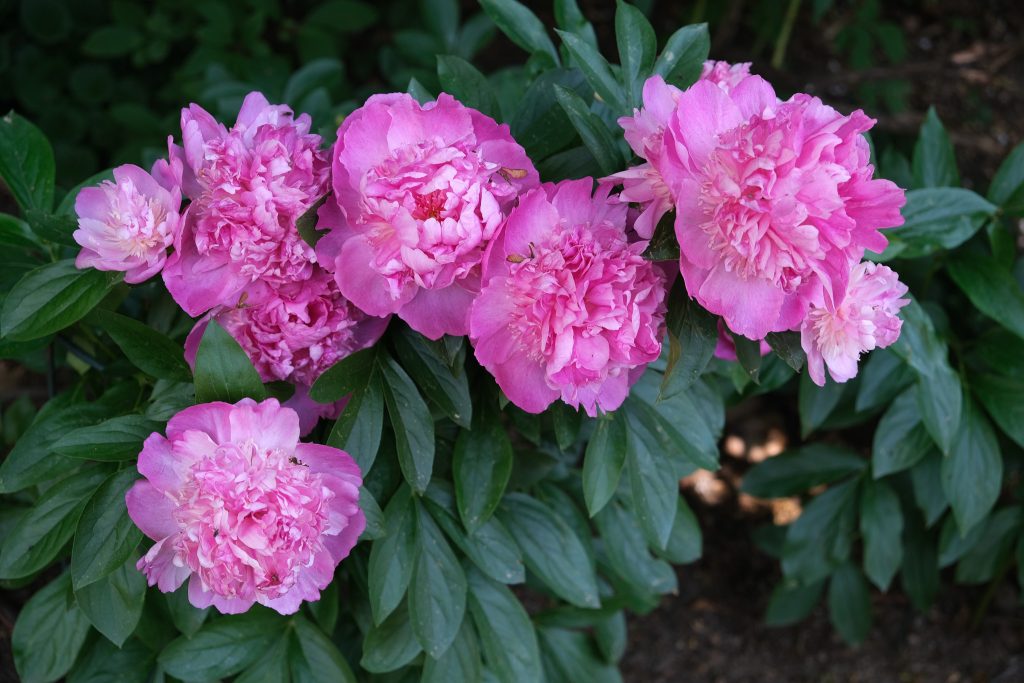
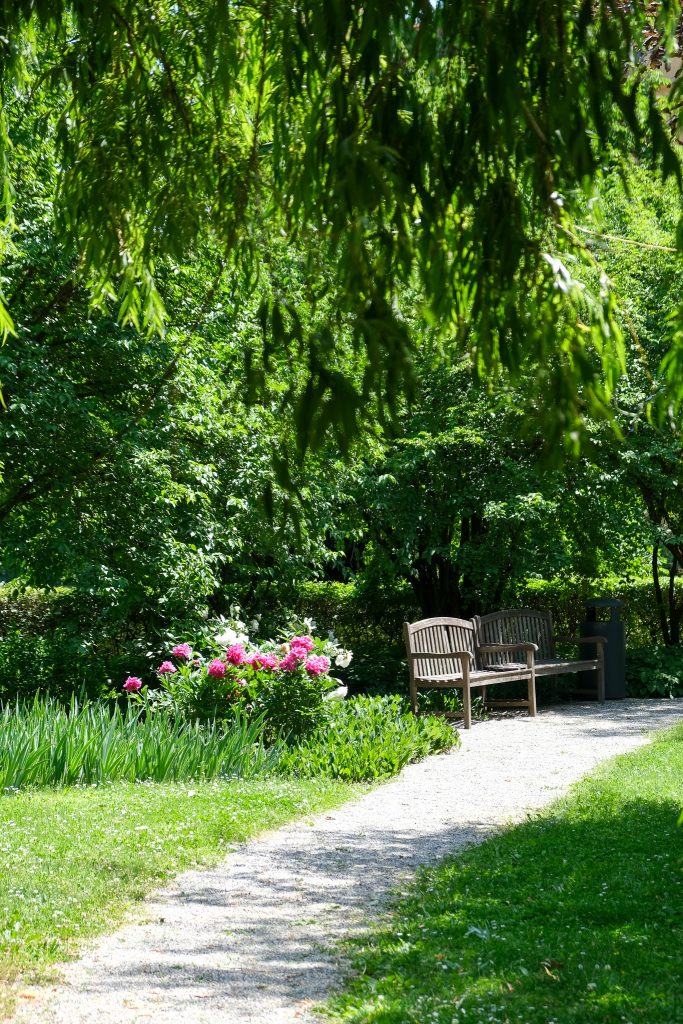
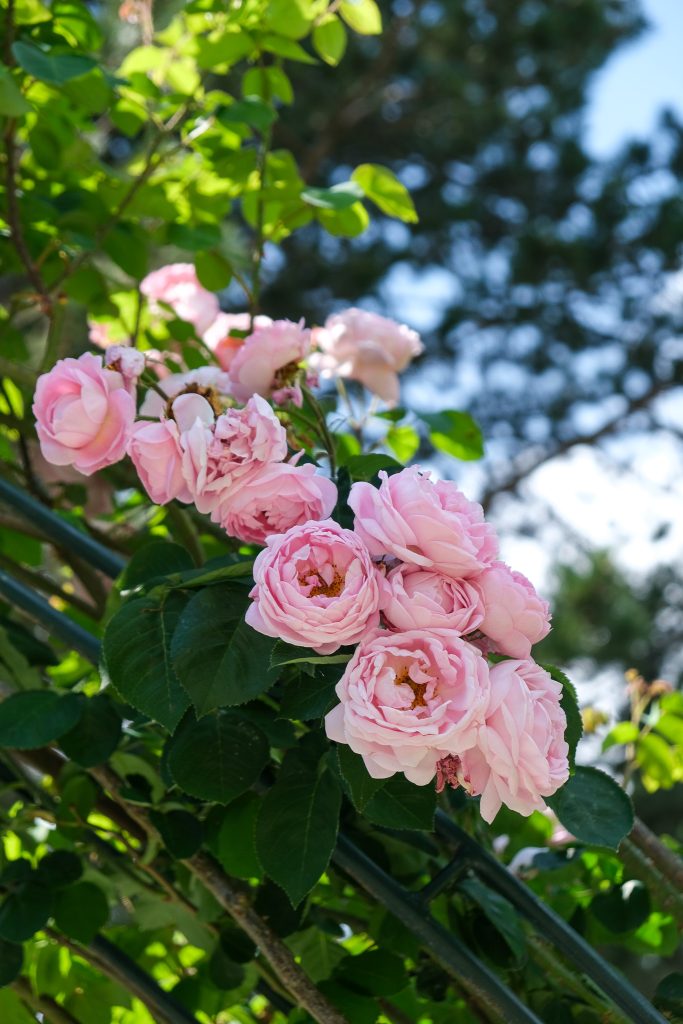
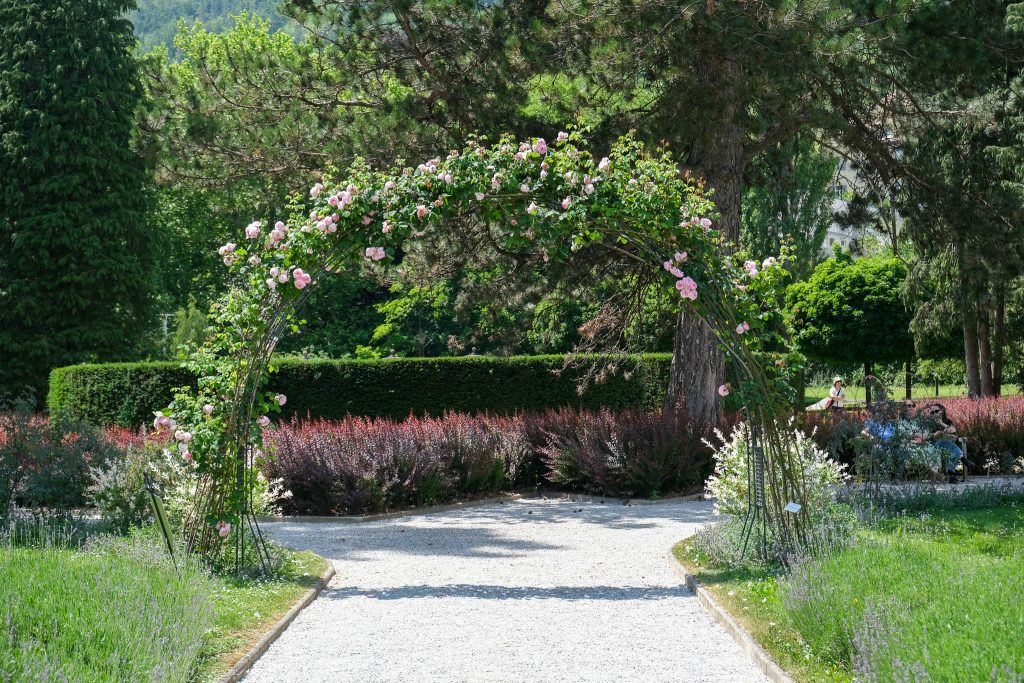
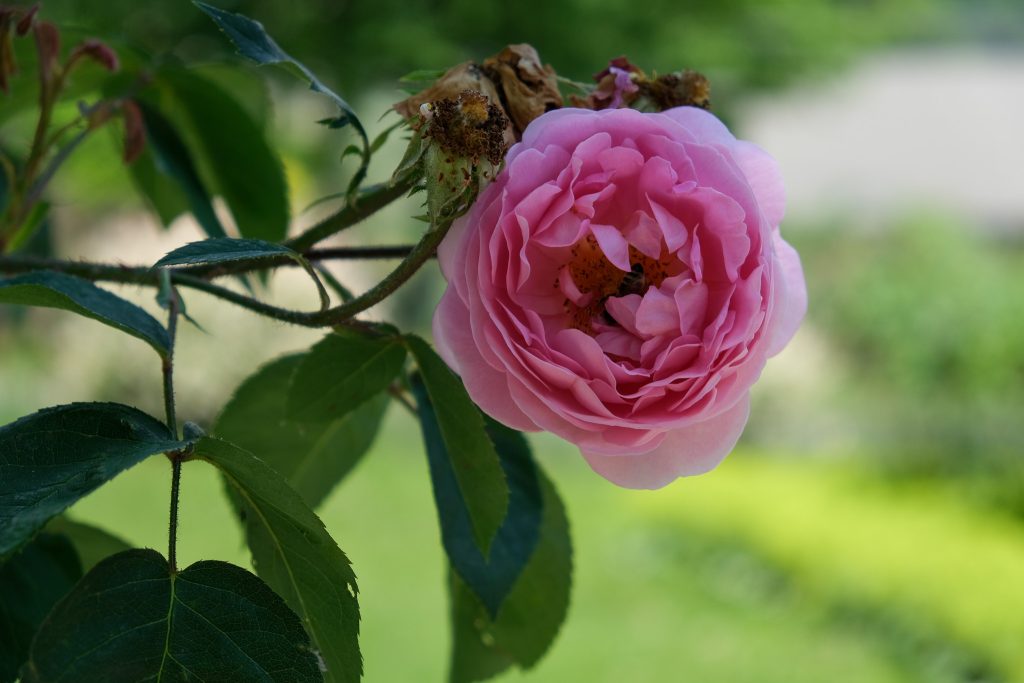
Today, the park is designed in the Romantic landscape style. One of its highlights is the beautiful Rose Garden, best visited between late May and late June when thousands of roses are in full bloom.
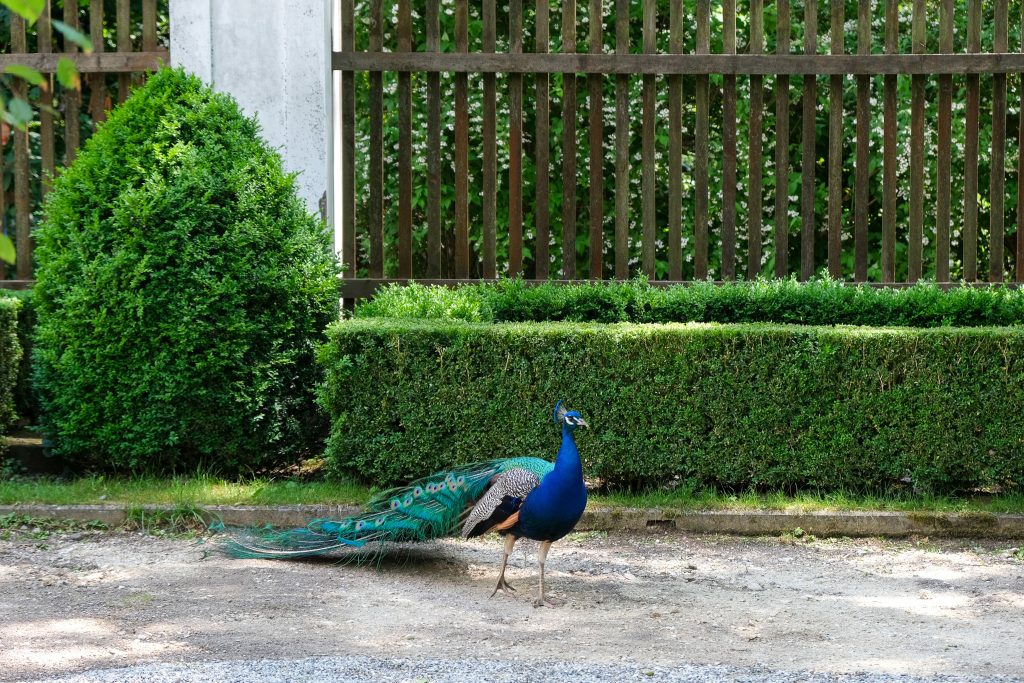
One of the park’s most memorable attractions is its freely roaming peacocks, which can often be spotted displaying their magnificent feathers. We encountered one particularly elegant bird near the Planetary Garden, located in the northern section of the grounds. This unique garden is divided into seven sections representing the seven classical planets.
Enjoy a picnic in the park
The park is an ideal place to relax, and visitors can enjoy a picnic in designated picnic areas.
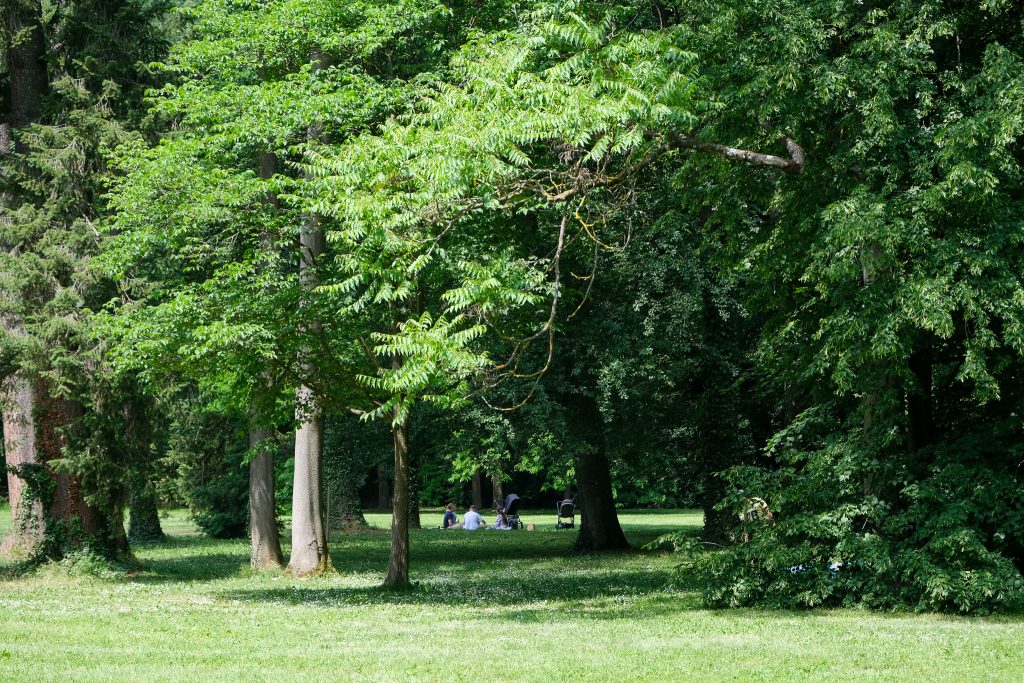
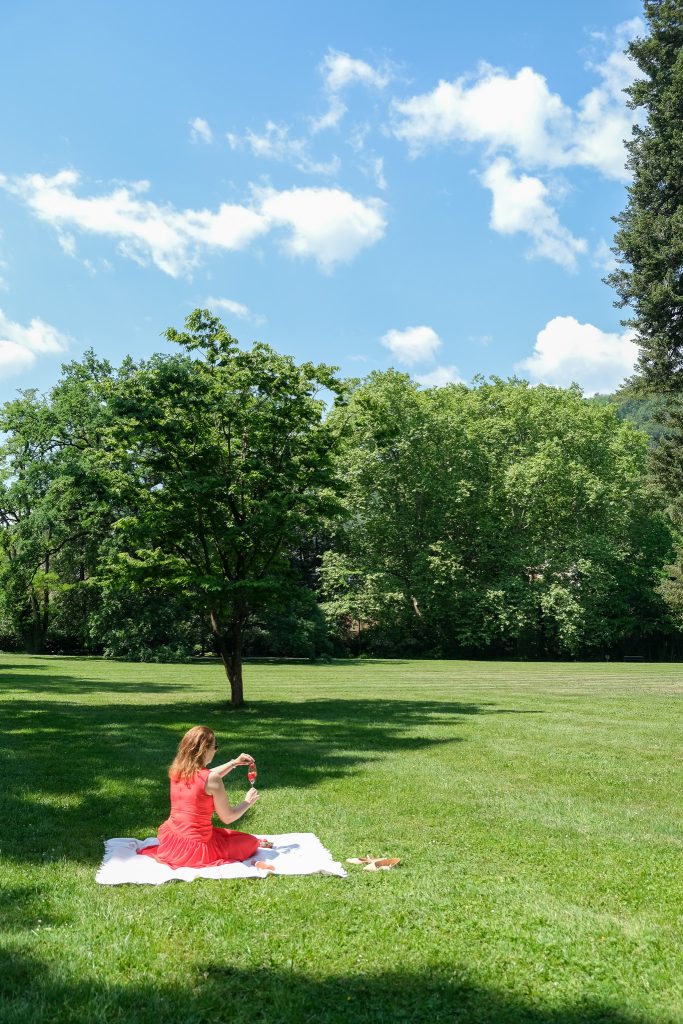

A charming café inside the historic pavilion in the park serves coffee, soft drinks, and delicious cakes. The beautifully painted ceiling creates a wonderful Baroque atmosphere, making it one of our favourite spots in the park.
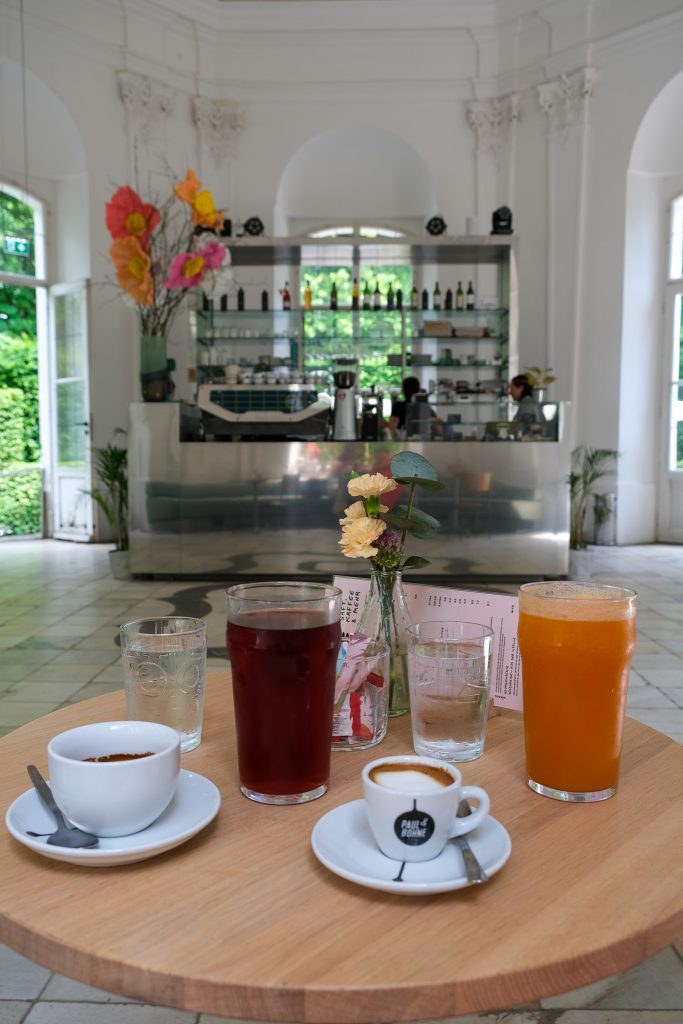
There’s also a small coffee kiosk near the palace entrance, perfect for grabbing a takeaway drink before continuing your visit. Eggenberg Palace and its gardens are true gems of Graz that we highly recommend visiting.
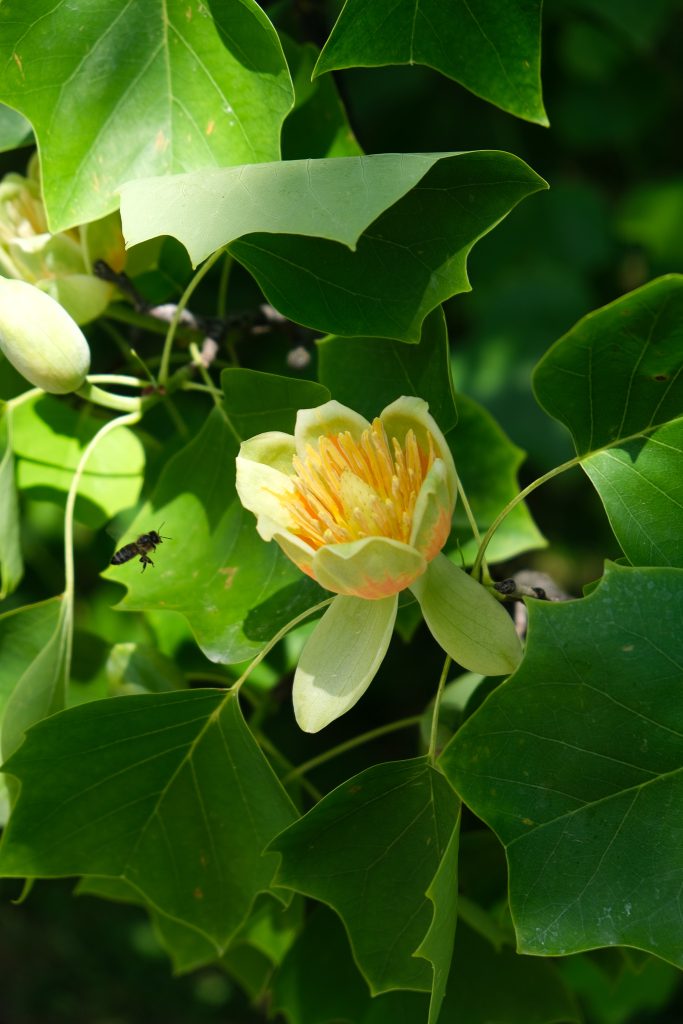
The palace is easily accessible by public transport. Take Tram 7 towards Wetzelsdorf and get off at Eggenberg Allee, or Tram 1 towards Eggenberg and exit at Schloss Eggenberg. From either stop, it’s only a short walk to the palace.
Admission to the park is €3 per adult. As a protected UNESCO World Heritage Site, visitors are asked to follow several rules. Walking on the lawns is only permitted in designated picnic areas, while dogs and bicycles are not allowed inside the park.
Leechwald Forest and Hilmteich Lake
Tram 1 will also take you to another beautiful green gem – Leechwald forest and Hilmteich lake. Take the line towards Mariatrost and get off at Hilmteich to discover one of Graz’s most peaceful natural escapes.
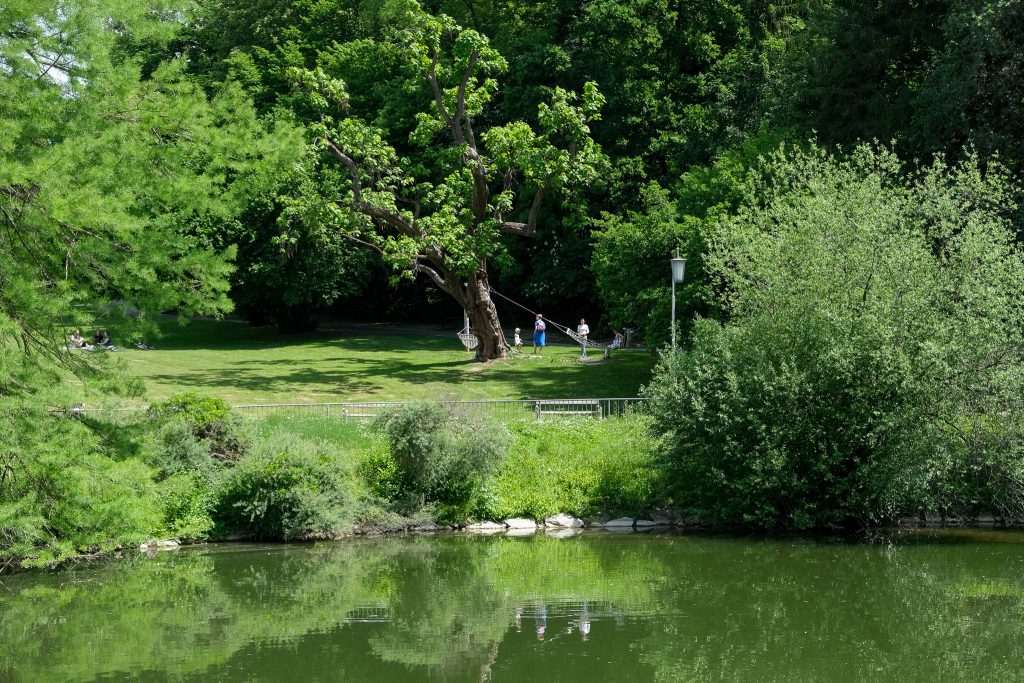
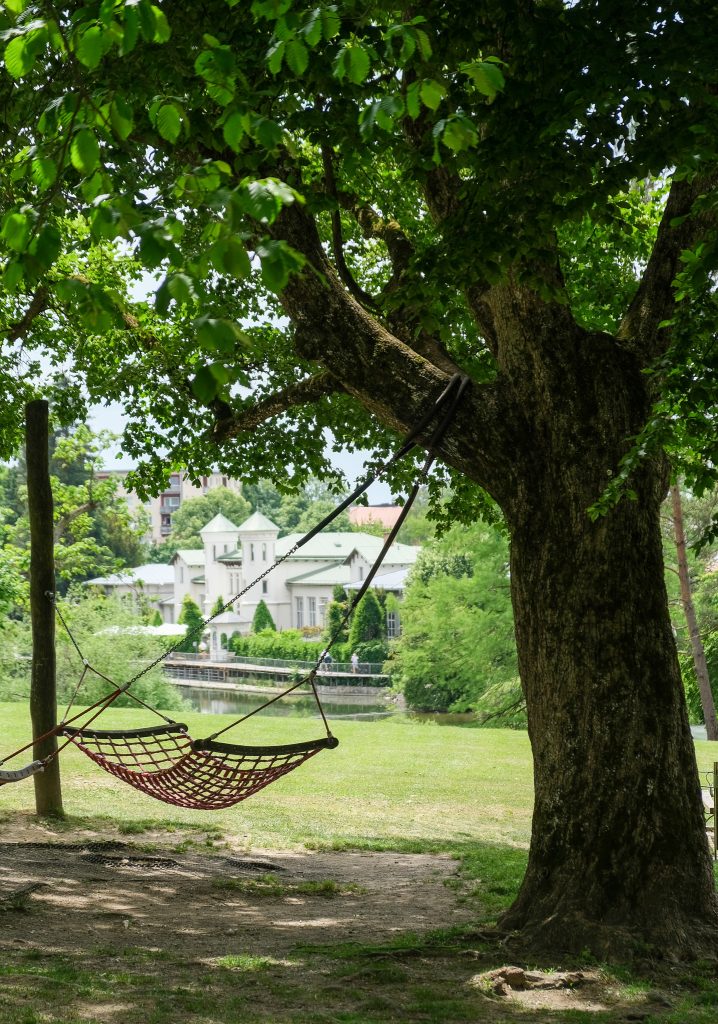
Leechwald Forest, located just minutes from the city centre, offers a network of shaded walking trails that attract hikers, joggers, cyclists, and nature lovers throughout the year. We thoroughly enjoyed wandering through the forest, listening to birdsong and escaping the summer heat beneath the dense tree canopy.
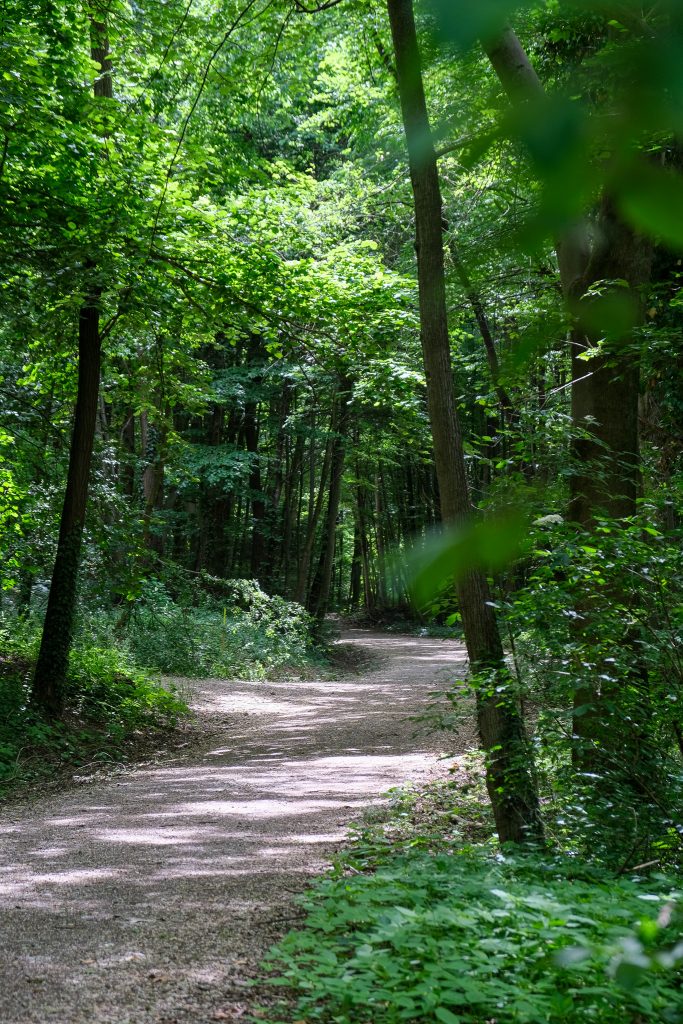
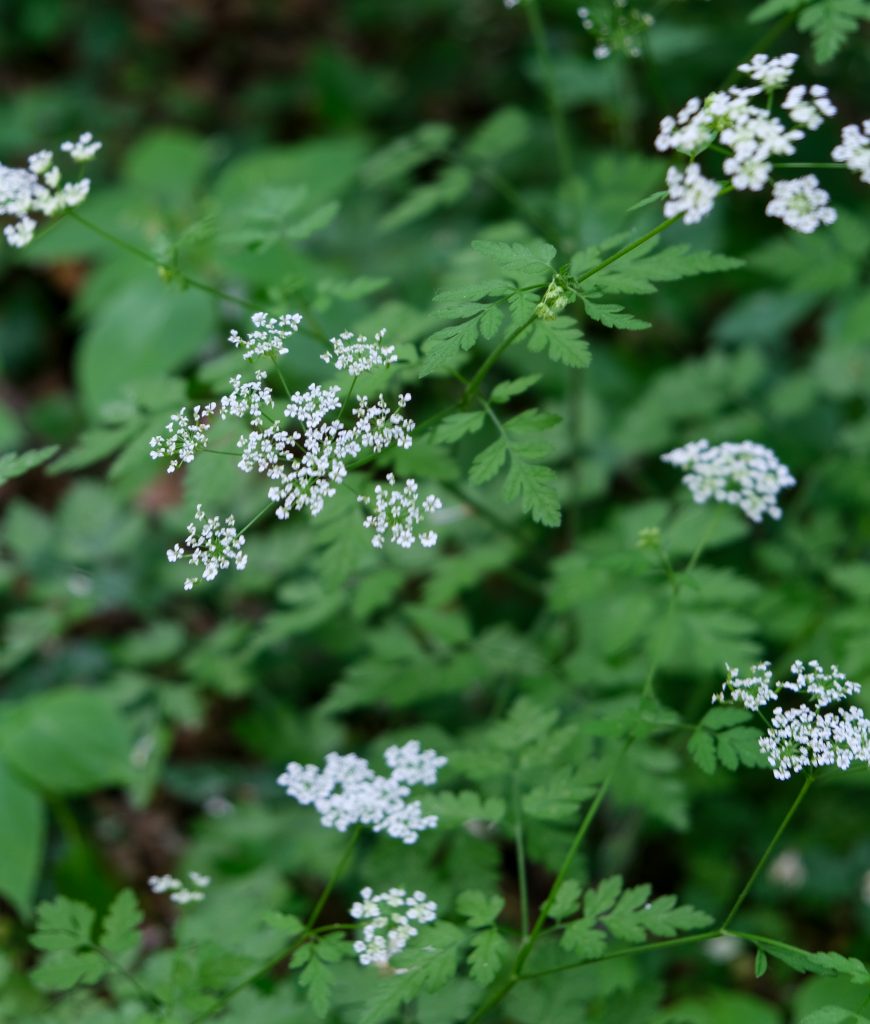
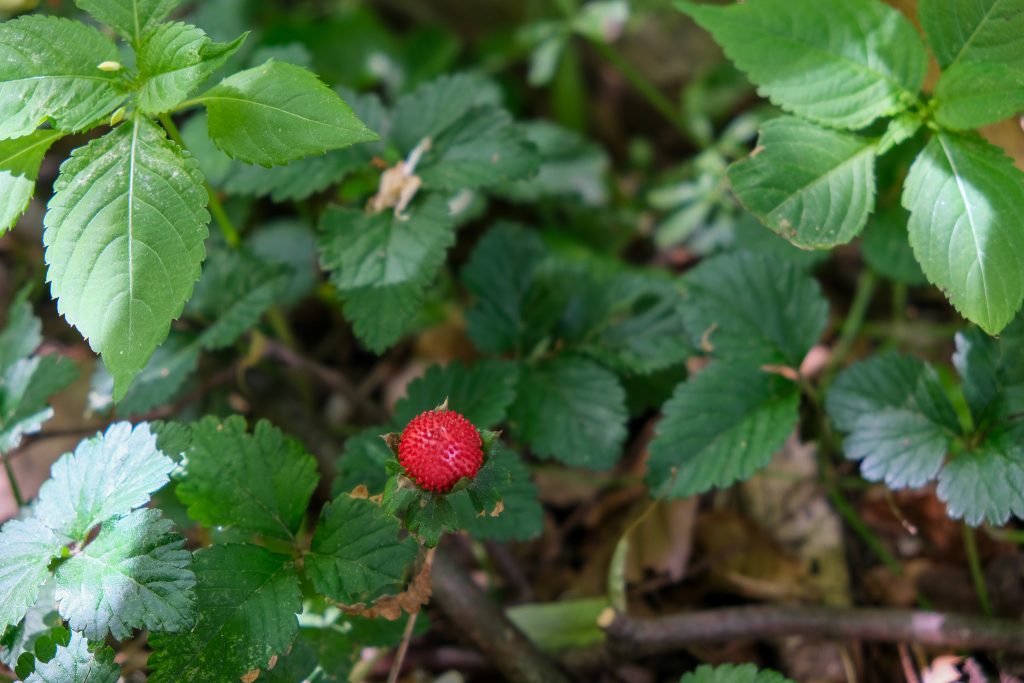
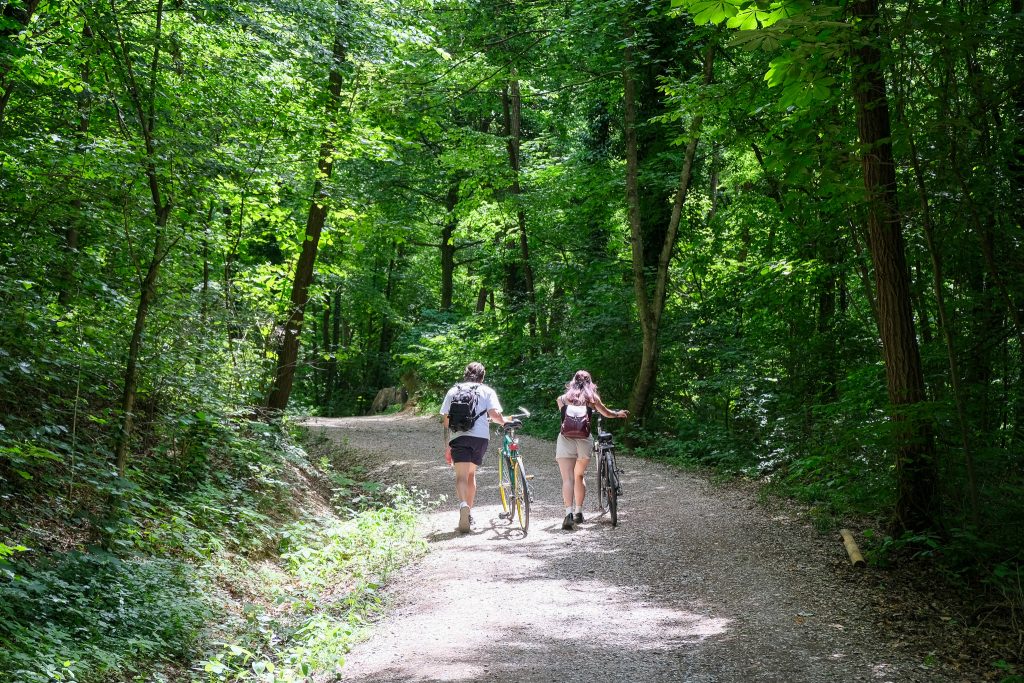
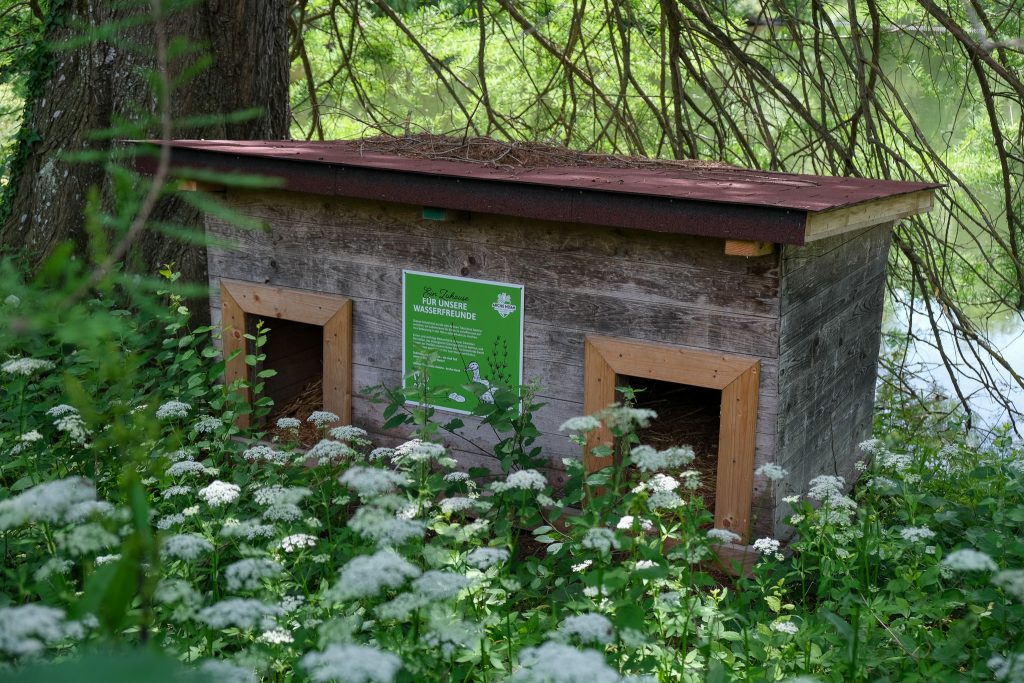
It’s easy to see why Leechwald has become one of Graz’s favourite outdoor destinations. During our visit, we met families, runners, cyclists, and people simply relaxing on the grass. Adjacent to the forest lies the picturesque Hilmteich Lake, where a pleasant walking path circles the water. Along the way, you’ll spot charming duck houses and educational signs promoting environmental conservation.
After your walk, stop by Purberg cafe and restaurant, beautifully located beside the lake. The complex also includes a garden centre filled with plants, flowers, and garden decorations. Families with children will also appreciate the nearby playground.
Mur River Promenade
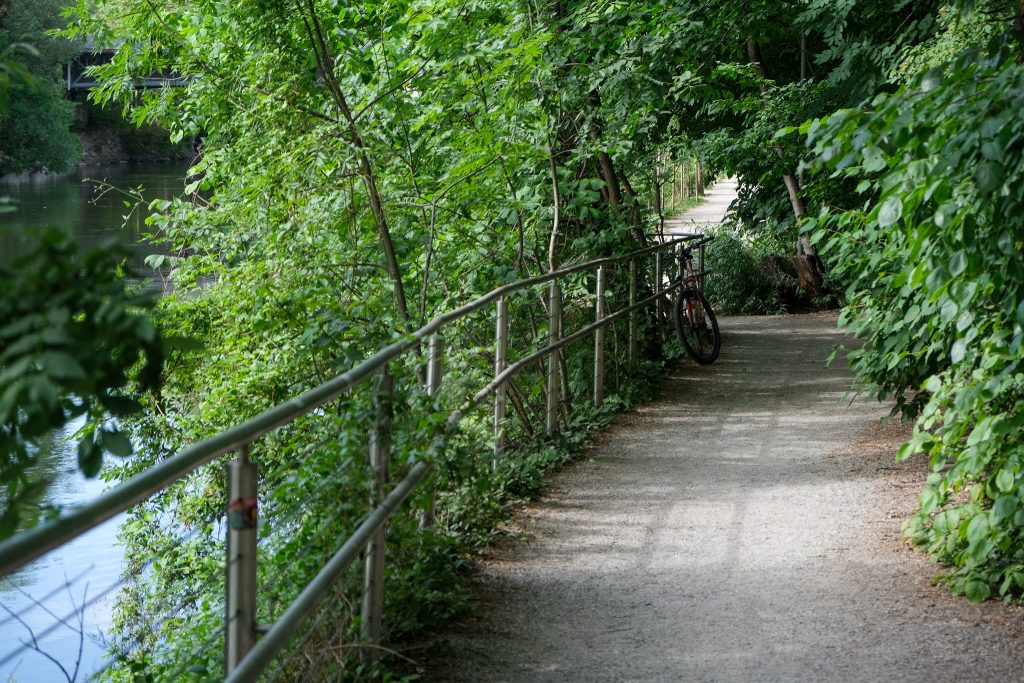
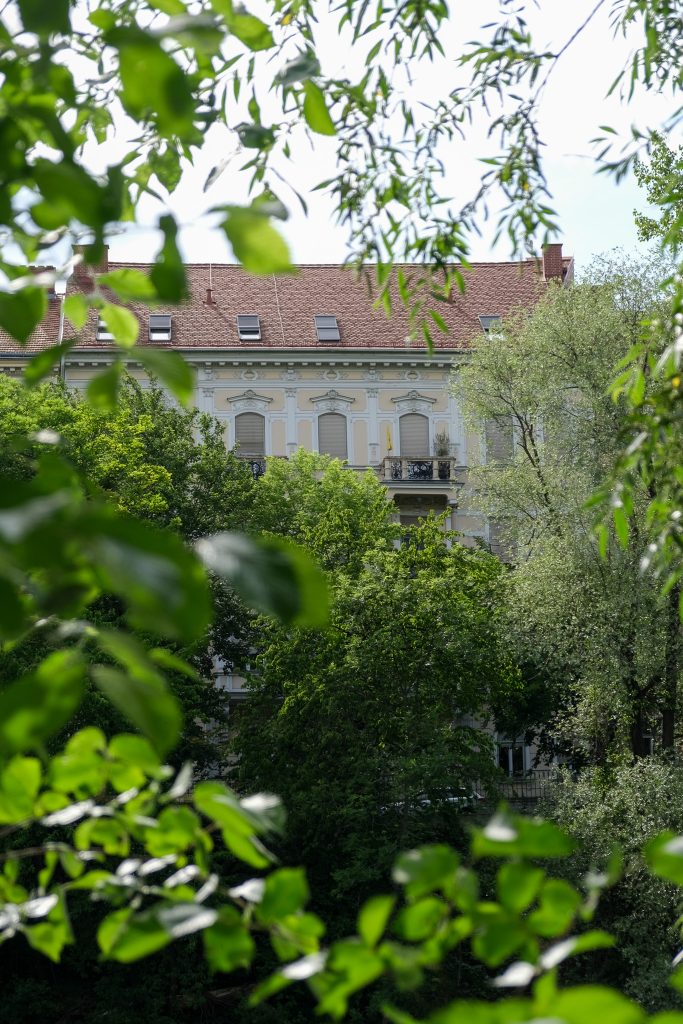
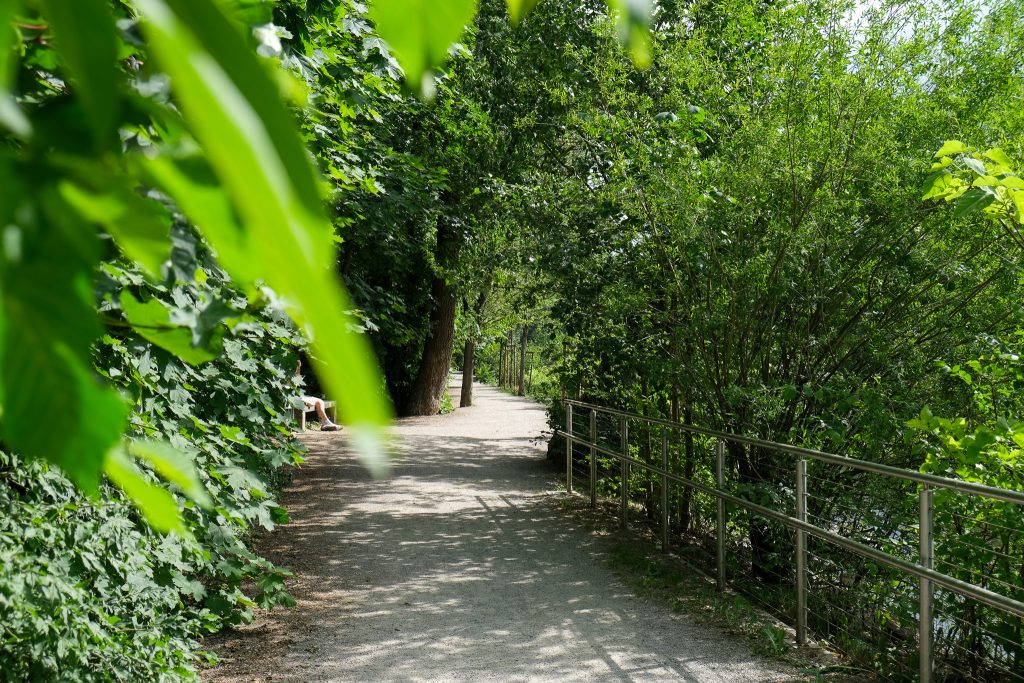
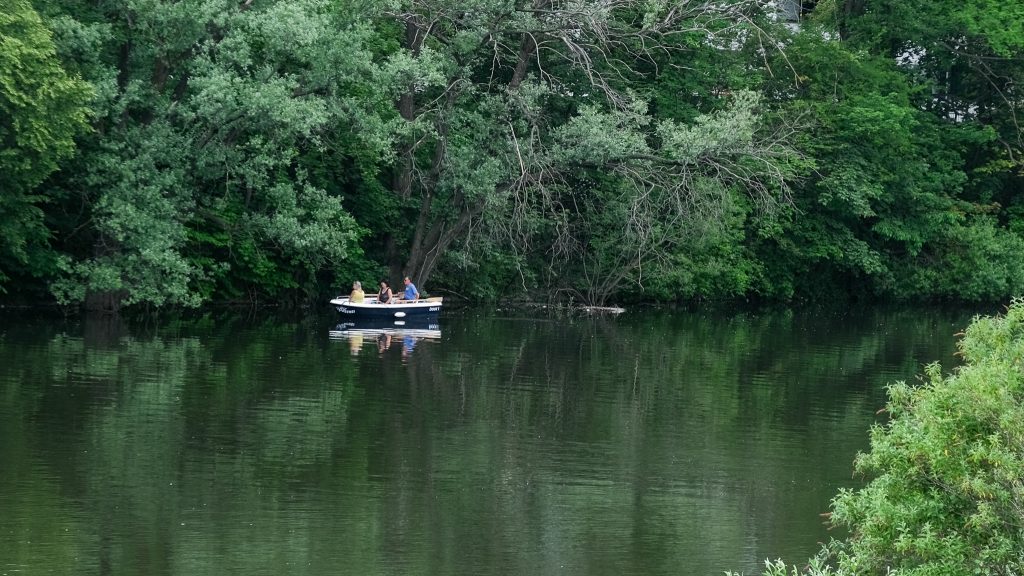
Another way to experience Graz is by walking along the scenic Mur River Promenade, which stretches through much of the city. We began our walk in the city centre and followed the riverside path towards Augarten Park, a journey that took just over 30 minutes. The well-maintained pathways include numerous benches and resting spots, making it easy to stop for photos or simply enjoy the surroundings. Along the route you’ll encounter cyclists, runners, and walkers enjoying the cool shade and peaceful atmosphere. The riverside also offers unique views of some of Graz’s most impressive contemporary and historic architecture.
Augarten Park
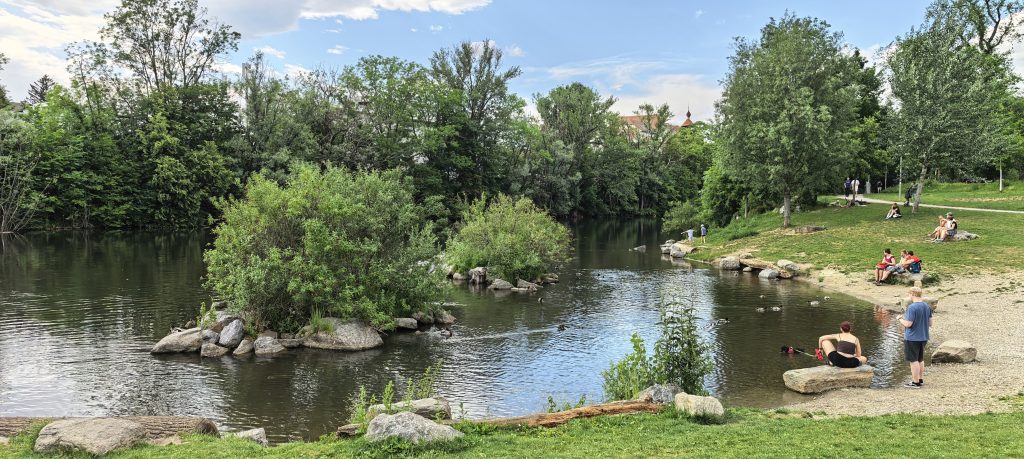
Our riverside walk eventually brought us to Augarten Park, one of Graz’s largest and liveliest public parks. Located on the eastern bank of the Mur River, just south of the historic centre, the park covers approximately 75,000 square metres. Historically, this riverside area was once used by rafters and mill workers before the city acquired the land and transformed it into the beautiful public park visitors enjoy today.
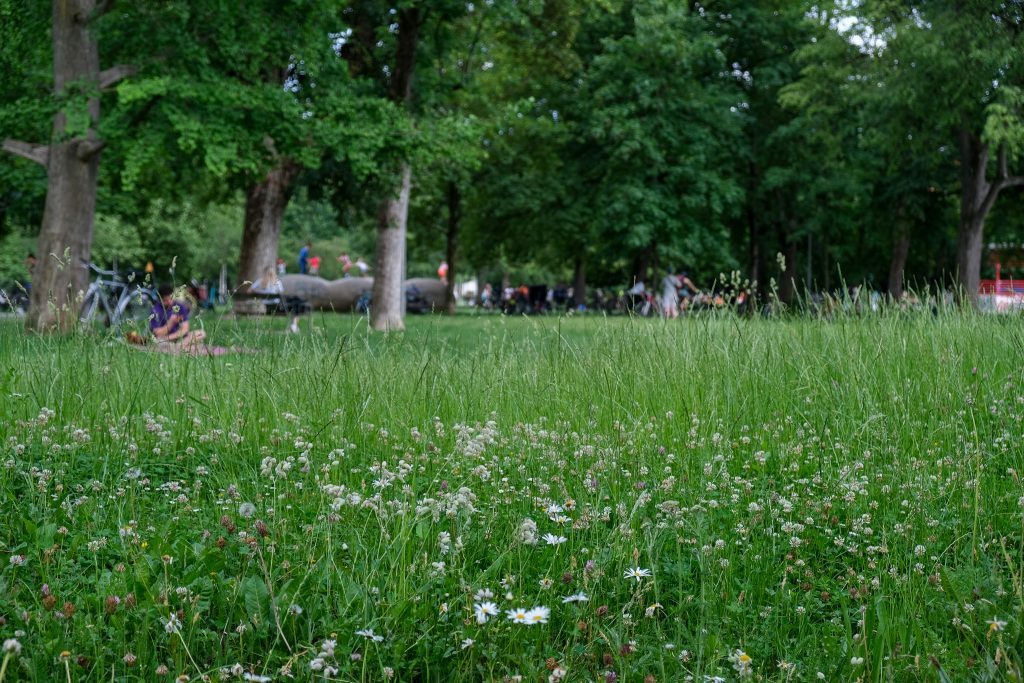
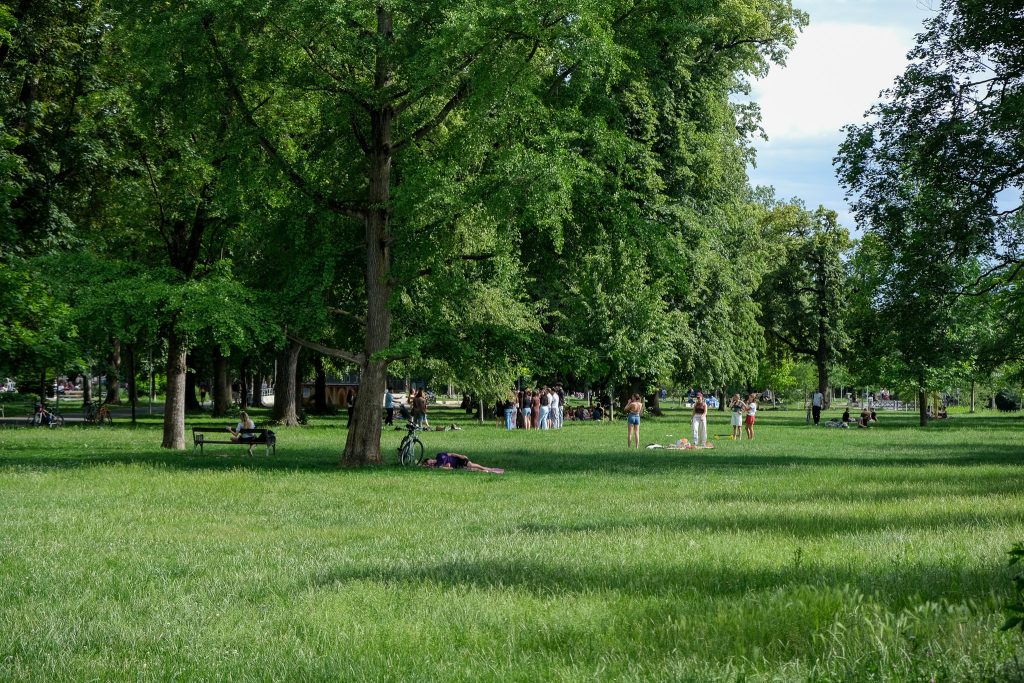
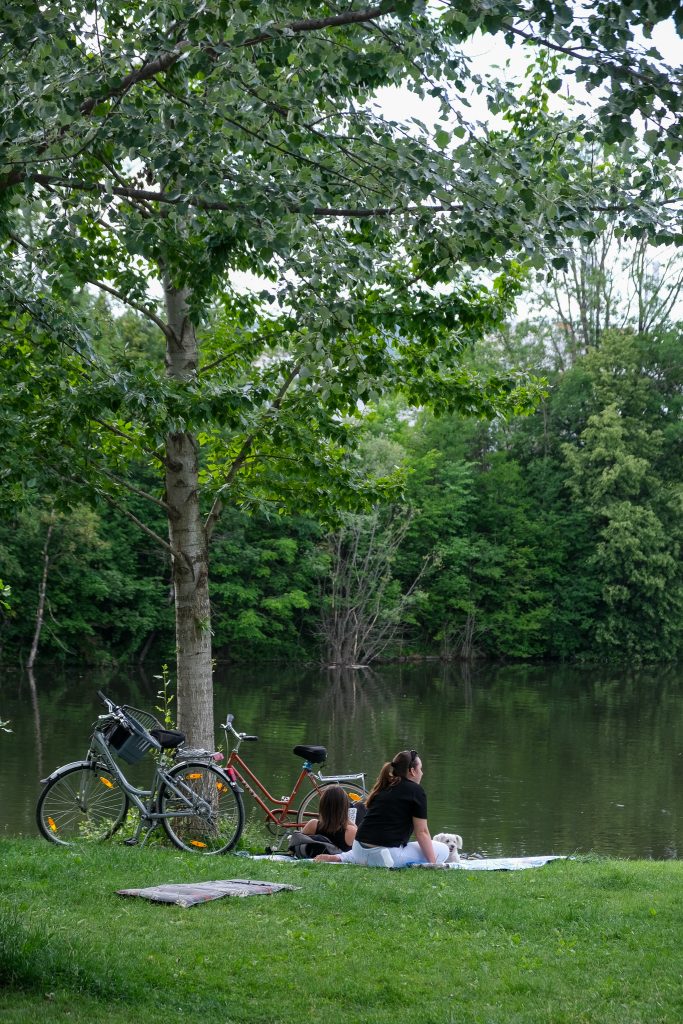
We immediately noticed Augarten’s vibrant atmosphere. Students gathered for picnics, families enjoyed the well-equipped playgrounds, cyclists and rollerbladers filled the pathways, while yoga groups exercised on the lawns. We also passed the popular skate park.
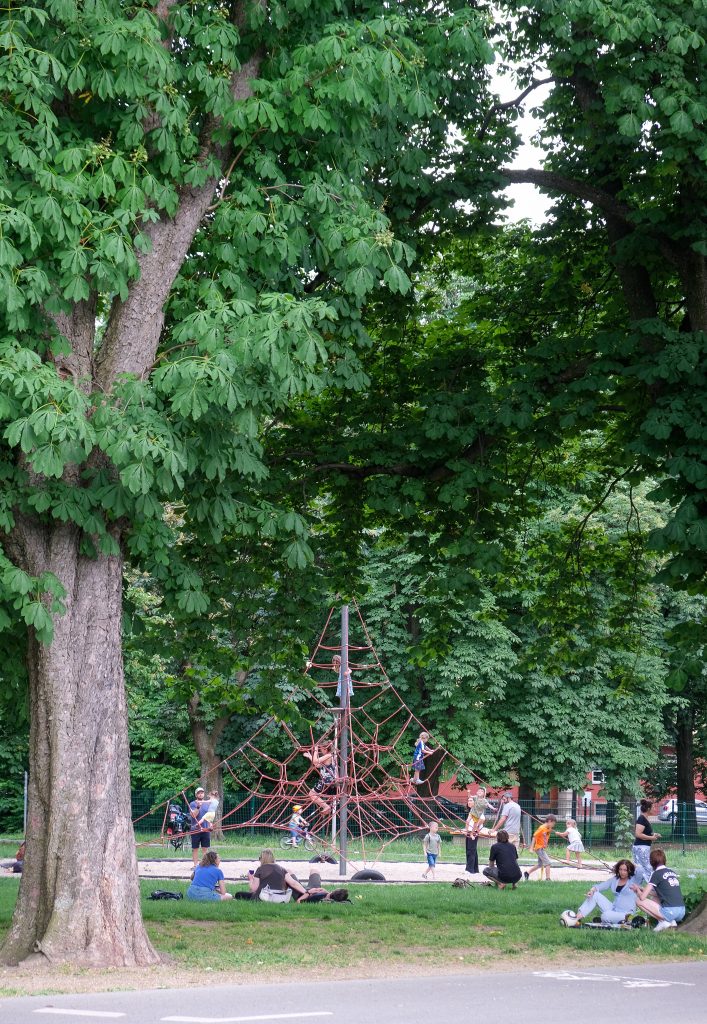
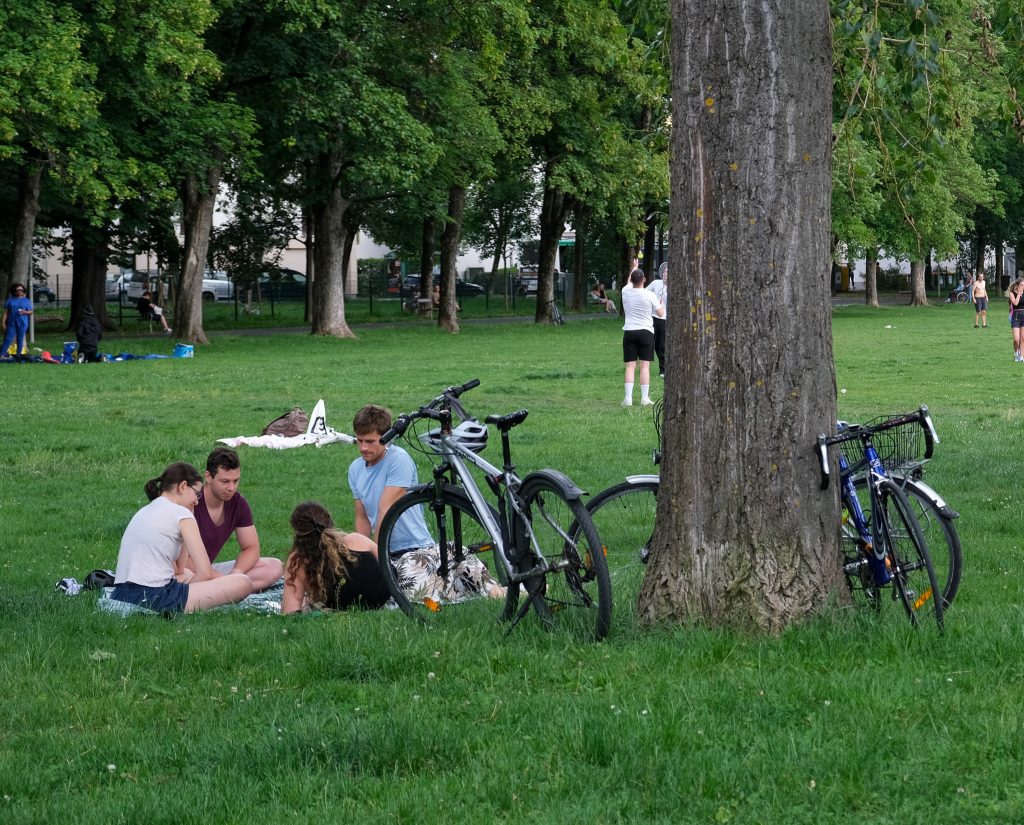
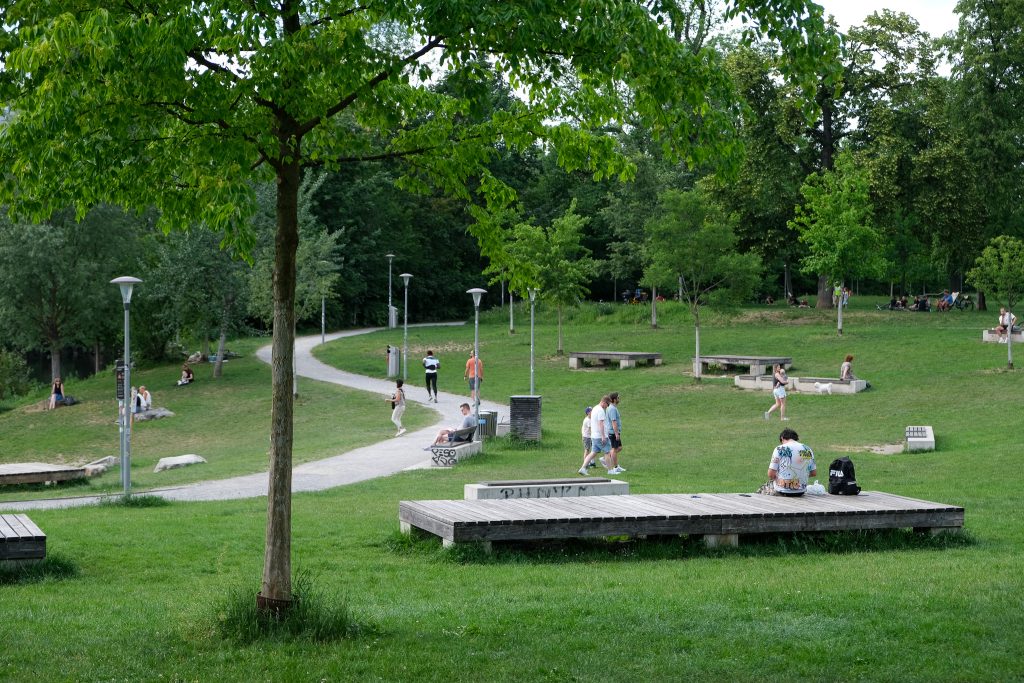
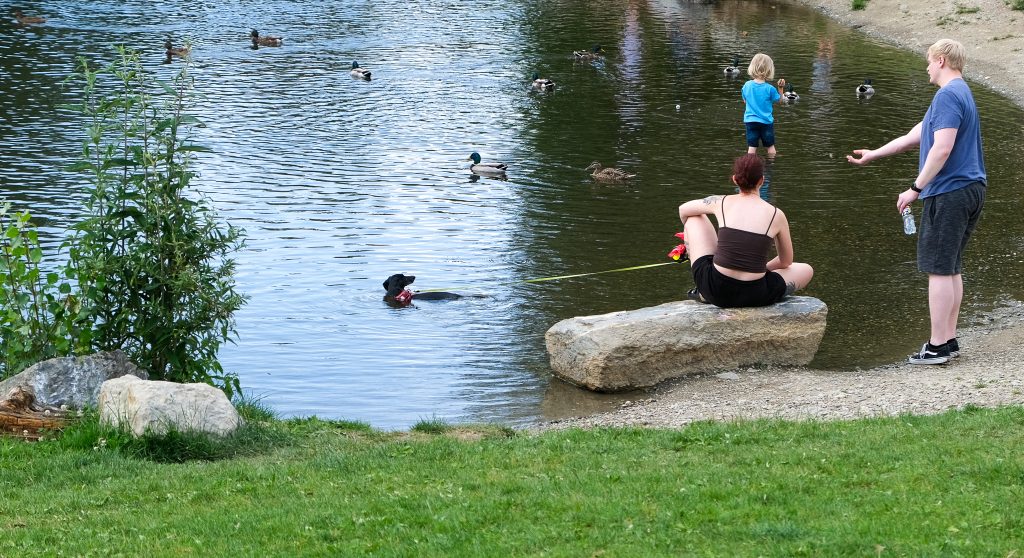
We ended our visit beside the Mur River, where dogs cooled off in the water alongside ducks—a perfect example of the relaxed atmosphere that defines the park.
If you wish to find out more about nature activities and hikes in Graz and its surroundings, click here.
The Best Parks in Graz Are Well Worth Visiting
Exploring Graz’s green spaces gave us a completely different perspective on the city beyond its famous historic attractions. Each park offers its own unique character—from elegant palace gardens with roaming peacocks and panoramic hilltop viewpoints to peaceful forests, riverside walks, and lively urban parks full of local life. Whether you’re planning a hike, city break, family trip, or simply looking for beautiful places to relax, the parks of Graz should definitely be included on your itinerary. They perfectly complement Graz’s reputation as one of Austria’s greenest, most sustainable, and most liveable cities.
You can also watch our video tour of the parks we visited.
TRAVEL TIP: A new interactive app called Graz Uncovered will help you in discovering this beautiful city.
Photos and video: Putopis. All rights reserved.
The article is made in cooperation with Graz Tourist Office.